How Foreign Governments Are Competing for Influence in Washington
The 2026 BGR Impact Index tracks how nations use diplomacy, public sentiment, and digital reach to shape U.S. influence.
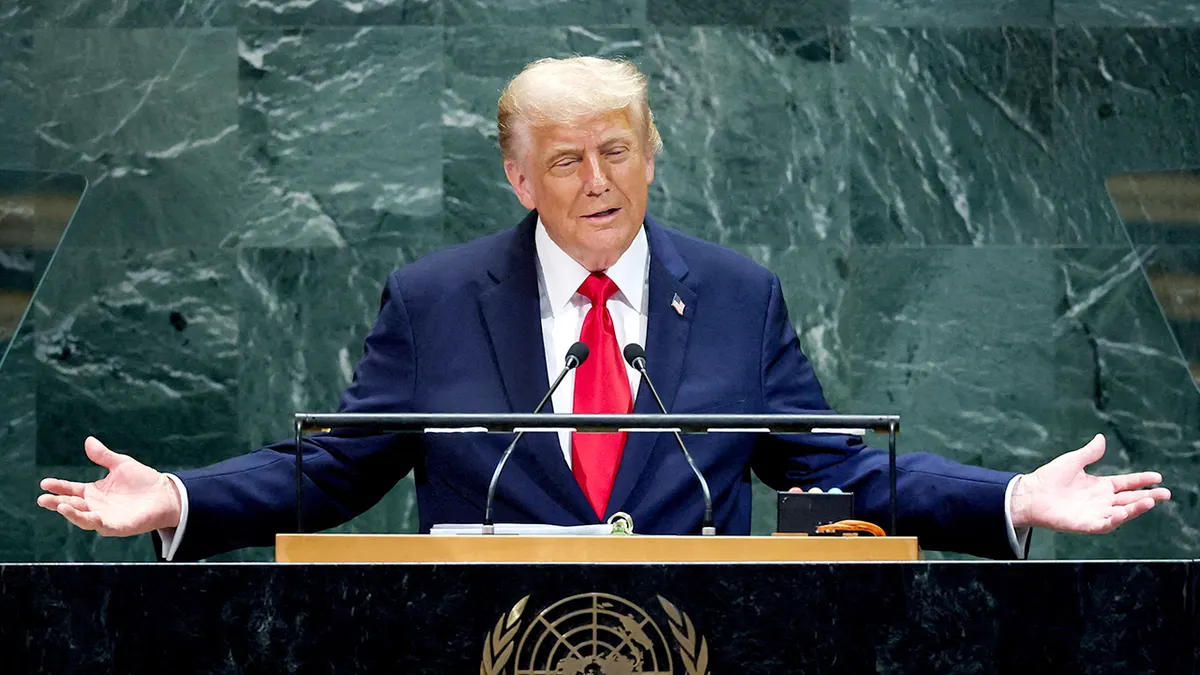
U.N. spokesperson Stéphane Dujarric reported that 120 heads of state and government will attend high-level week at U.N. Headquarters in Manhattan: 73 presidents, 45 prime ministers, 11 vice presidents, and one crown prince, alongside 49 foreign ministers.
Participating member states have submitted approximately 1,000 requests for bilateral side meetings, while 168 official events and side conferences are scheduled throughout the week. Dujarric described conditions at U.N. headquarters ahead of the arrivals as “high stress.”
That diplomatic activity coincides with the release of the 2026 BGR Impact Index, which examines how international governments use public perception and digital reach to compete for influence in Washington. BGR Analytics, the data practice of Washington-based government relations firm BGR Group, evaluated 197 countries and economies using more than 100 indicators.


Japan ranked first overall in U.S. presence for the third consecutive year. Germany followed, along with Canada, the United Kingdom, and South Korea.

The annual index combines public data from the United Nations, U.S. government agencies, research institutions, and digital analytics providers. Frank Ahrens, head of BGR Analytics, said the firm processed 4.9 trillion pieces of data over a 12-month period to assess how effectively foreign nations enter the American consciousness and policy arena.
Its weighting system gives cultural imprint 24 percent, social media sentiment 20 percent, institutional ties 16 percent, outward orientation 16 percent, geopolitical nexus 10 percent, economic size 8 percent, and lobbying expenditure and Washington influence 6 percent.
Social media sentiment data came from media intelligence firm Meltwater. Ahrens said online communications can rapidly alter perception of a nation within the U.S., although long-term presence requires concrete economic and policy engagement.
The index recorded Bahrain’s largest advance, with the country rising 22 positions from No. 97 in 2024 to No. 75. BGR attributed the move to favorable online sentiment in the U.S. and heightened diplomatic visibility after Bahrain was elected to a two-year rotating seat on the 15-member U.N. Security Council.
Bahrain’s ranking also reflected its championship in the Arabian Gulf Cup and a port call by the aircraft carrier USS Nimitz.
Georgia experienced the largest drop, falling 31 places from No. 73 to No. 104. The decline followed deteriorating U.S. digital sentiment linked to internal political unrest, street demonstrations, and government arrests targeting journalists and opposition political leaders.
The analysis also captured informal online trends. In what BGR called the “Freddy Effect,” positive U.S. sentiment toward Germany rose 13 percent over three weeks during the summer after viral travel videos showed a German World Cup visitor traveling across the United States.
The 81st session of the United Nations General Assembly is convening in New York under the theme, “Restoring trust, managing transformation: A United Nations that delivers for all.” Under U.N. protocol dating to 1955, Brazil traditionally opens the General Debate, followed by the host country, the United States.
U.S. President Donald Trump is scheduled to address the General Assembly on Tuesday, Sept. 22, as the armed conflict between the United States and Iran enters its seventh month. The war has expanded regional instability across the Middle East and increased security risks along global commercial trade routes.
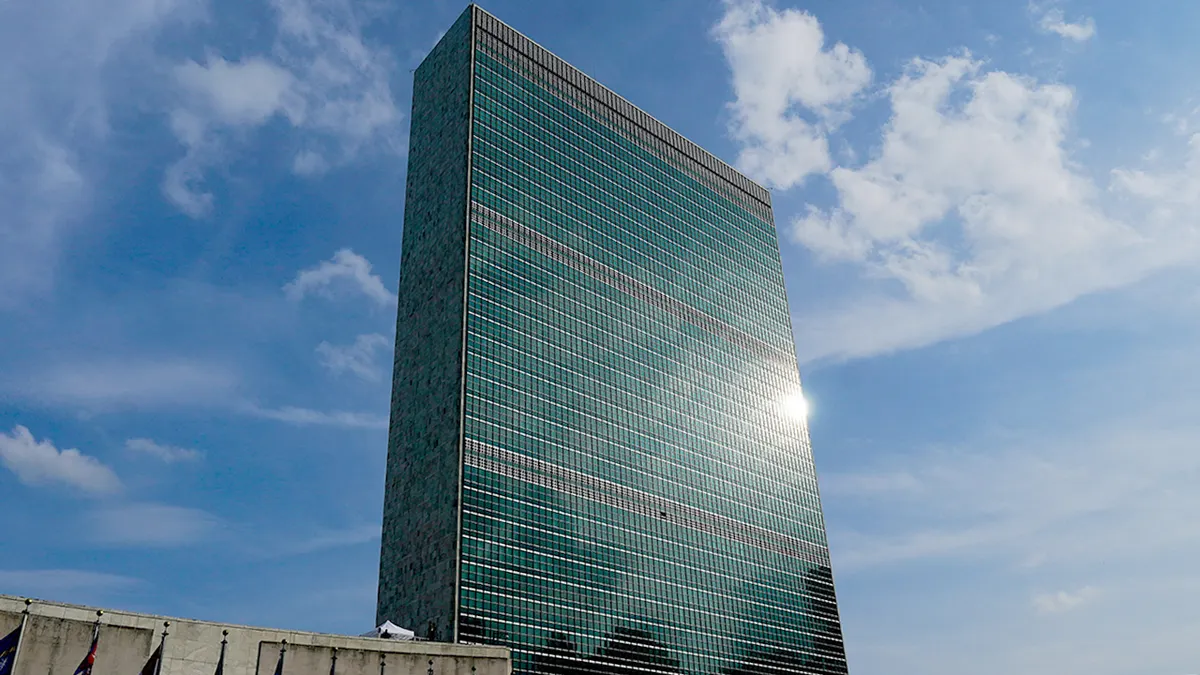
In the Red Sea and the Bab el-Mandeb Strait, attacks by Iran-backed Houthi forces have forced commercial shipping companies to divert vessels around the southern tip of Africa. The strait is a key maritime transit point connecting the Indian Ocean to the Mediterranean via the Suez Canal.
The longer routes have increased shipping freight rates and disrupted energy supply chains, prompting elevated security concerns among Gulf Arab states. The prolonged military engagement has also created friction between Washington and traditional partners.
European and Asian allies have largely resisted U.S. requests to join direct military action against Iran, placing strain on bilateral diplomatic relations.
Iranian President Masoud Pezeshkian, Ukrainian President Volodymyr Zelenskyy, Israeli Prime Minister Benjamin Netanyahu, and Russian Foreign Minister Sergei Lavrov are scheduled to address the hall or participate in high-level sessions.
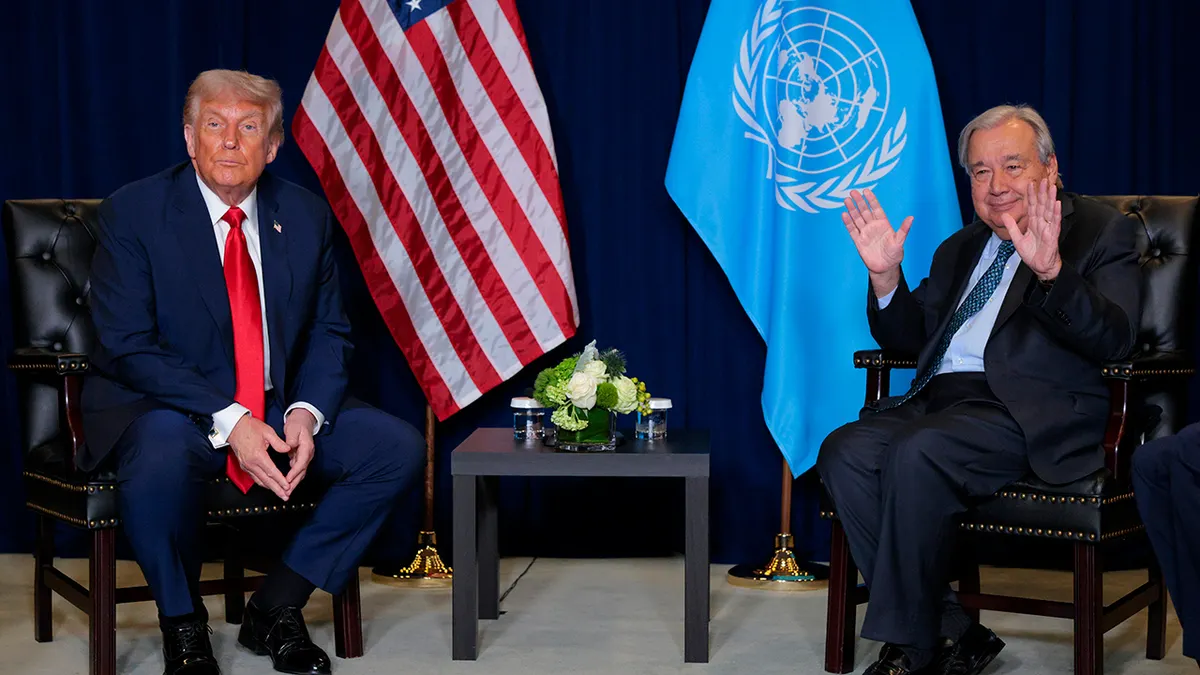
Discussions during high-level week will include the war in Ukraine, with Russian military operations and European security commitments remaining central to scheduled addresses and bilateral meetings.
Delegations will also discuss the Israeli-Palestinian conflict, including regional military escalation and humanitarian conditions in Gaza and the West Bank.
Sessions on Sudan will focus on the conflict between the Sudanese Armed Forces and the Rapid Support Forces. The fighting erupted in April 2023 and created the world’s largest internal displacement emergency.
Other agenda items include multilateral discussions on global climate policy, international energy market adjustments, and emerging international regulatory frameworks for artificial intelligence.
Member states continue to debate administrative restructuring, operational reform, and structural adjustments following previous U.S. reductions in funding contributions to U.N. budget lines.