Two Storm Names in One Day Puts the UK’s Storm List Into Overdrive
Austen and Boelo hit the list within a day of each other — the burn rate, the name origins, and why the naming exists.
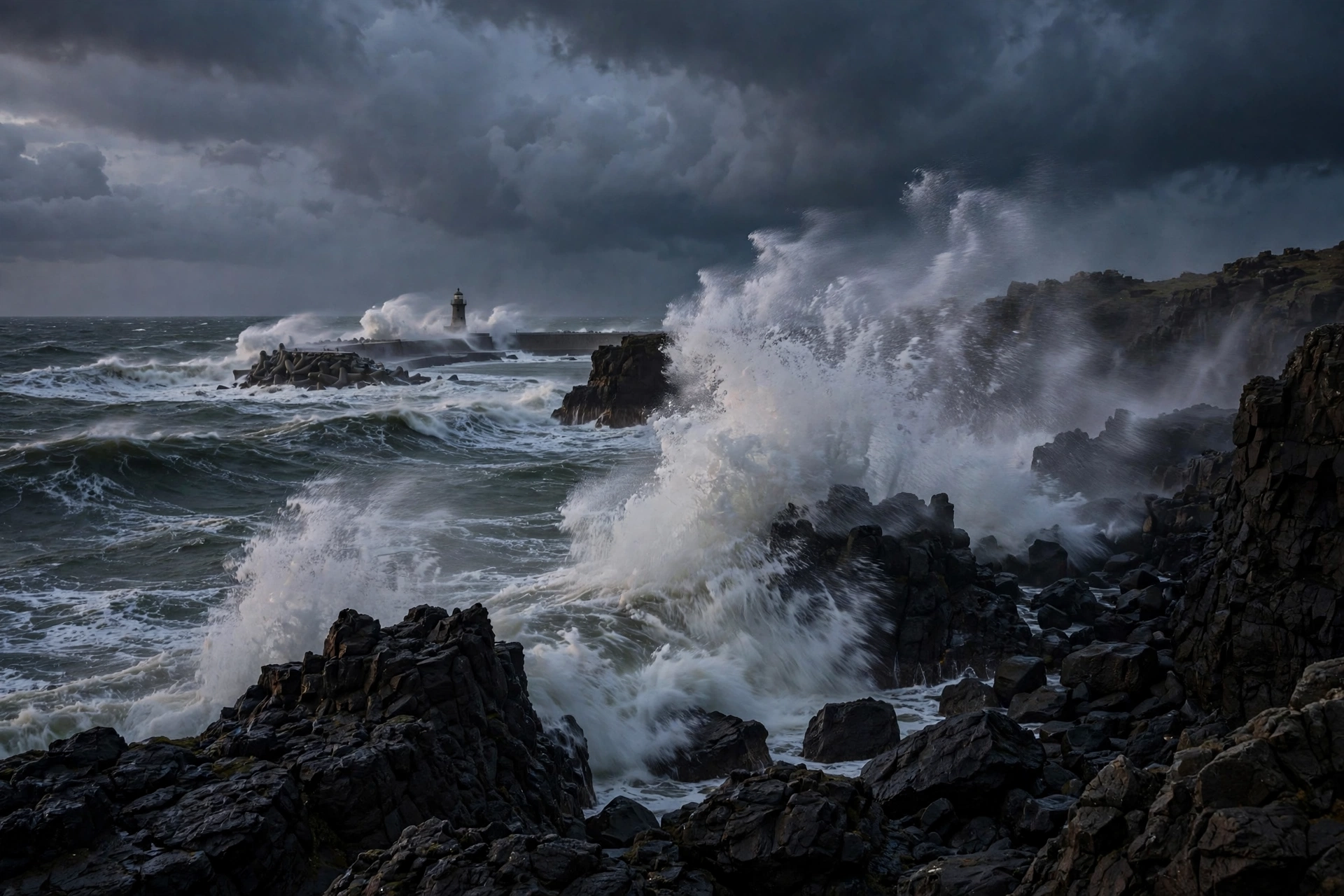
The Met Office named Storm Austen on October 21. Roughly a day later it named Storm Boelo. Two letters of the storm list, burned in 24 hours, 52 days into the season. That is a sprint. Last year the second letter of the list took nearly twice as long: Amy arrived on October 3, and Bram didn’t follow until December 8.
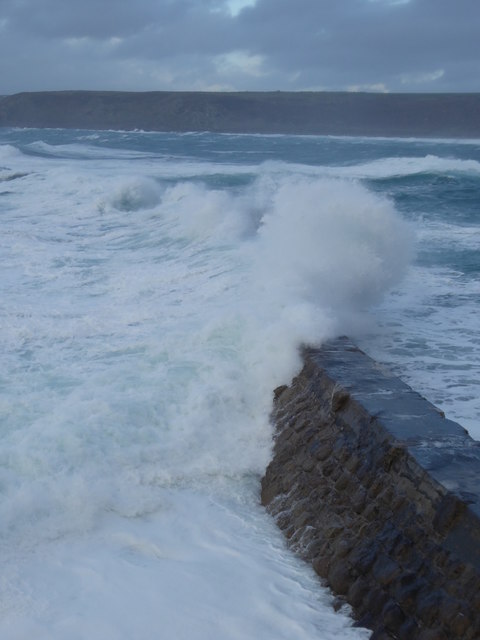
An amber wind warning covered Cornwall, Devon, the Isles of Scilly and Plymouth from 03:00 to 10:00 on Friday, with gusts of 60 to 70mph and 80mph on exposed headlands. National Grid reported 6,980 homes in Cornwall without power. 2,241 were vulnerable households. Every school in Jersey was told to close. Boelo is the weekend’s problem, and it lands at the other end of the country. “It will affect the opposite end of the country to Storm Austen,” the Met Office’s Chris Bulmer said, with Northern Ireland and western Scotland in line from Saturday afternoon.
Three countries share one list. The Met Office, Met Éireann and the Dutch KNMI have run the naming system jointly since 2015. Each September 1 they unveil 21 names, each organisation contributing seven, used in alphabetical order with Q, U, X, Y and Z skipped to stay consistent with the US hurricane convention. A storm gets a name when forecasters judge it has the potential to cause medium or high impacts in one of their territories. Wind is the usual reason. Whichever agency’s patch is about to be hit first does the naming.


Austen was chosen by Met Éireann, which is marking its 90th anniversary this year, in honour of Austen Nagle, the first director of the Irish Meteorological Service. Boelo came from KNMI’s pile of more than 3,000 Dutch public submissions: a near-forgotten name from the east Groningen region, passed down through one nominating family, pronounced “Boo-loh”. The rest of the list runs on through Chloe, Dano and Evelyn.
Boelo arrives, in the Met Office’s wording, “invigorated by an active jet stream as it crosses the Atlantic” — the fast upper-air current that deepens these lows as they run at Britain. Dr Chloe Brimicombe of the University of Oxford called the sequence “climate whiplash” in comments to Sky News, coming after the record-breaking spring and summer heat. Caution is warranted. Two early storms do not decide a season. The busiest on record, 2023/24, burned 12 names; last year’s used seven in total, only four from the group’s own list. So far this season’s count sits between the seven of last year and the record twelve of 2023/24.
After Storm Goretti in January, the Met Office surveyed people inside the amber warning area. 93% were aware of the warnings. 88% took action. They stayed in, didn’t drive, shopped earlier. “A named storm provides a clear focus for forecasts and warnings, helping more people understand the potential impacts and take action to protect themselves,” Holly Clements, the Met Office’s head of warnings and guidance, said when this season’s list was unveiled. On Austen’s naming, deputy chief forecaster Tom Crabtree put it more plainly: “we have an impactful period of weather on the way and the potential for disruption in places, which has resulted in the system being named.”
The warnings now overlap across the calendar rather than arriving one at a time. Austen’s amber expired at 10:00 on Friday; Boelo’s yellow wind warnings run from 6pm Saturday to 9pm Sunday across mainland Scotland, the Western Isles, Orkney and the far north of England, with a separate one for Northern Ireland from 6pm Saturday to 3pm Sunday. Gusts of 55 to 65mph are forecast widely. 70 to 80mph on the most exposed coasts. The next unused name on the list is Chloe, submitted by the Met Office.