Toronto’s 115-Year Housing Claim: What the City’s Own Data Says
The two per cent checks out. The 115 years doesn't — and Chow's "halfway" doesn't either, per the city's June 2026 housing data.

Brad Bradford gave Thursday’s debate its cleanest housing line: 115 years. That’s how long, he told the CP24 audience, it would take Olivia Chow to reach her housing target at the pace she’s delivering — 1,500 homes out of 65,000, “a mere two per cent of her commitment.” The line landed. It doesn’t survive arithmetic.
The field quoted the exchange and moved on. One debate recap wrote the sentence nobody else did: the candidates’ figures were “campaign claims made on a debate stage,” and “neither is an audit.” This is the audit: six checks run against the city’s own housing data.
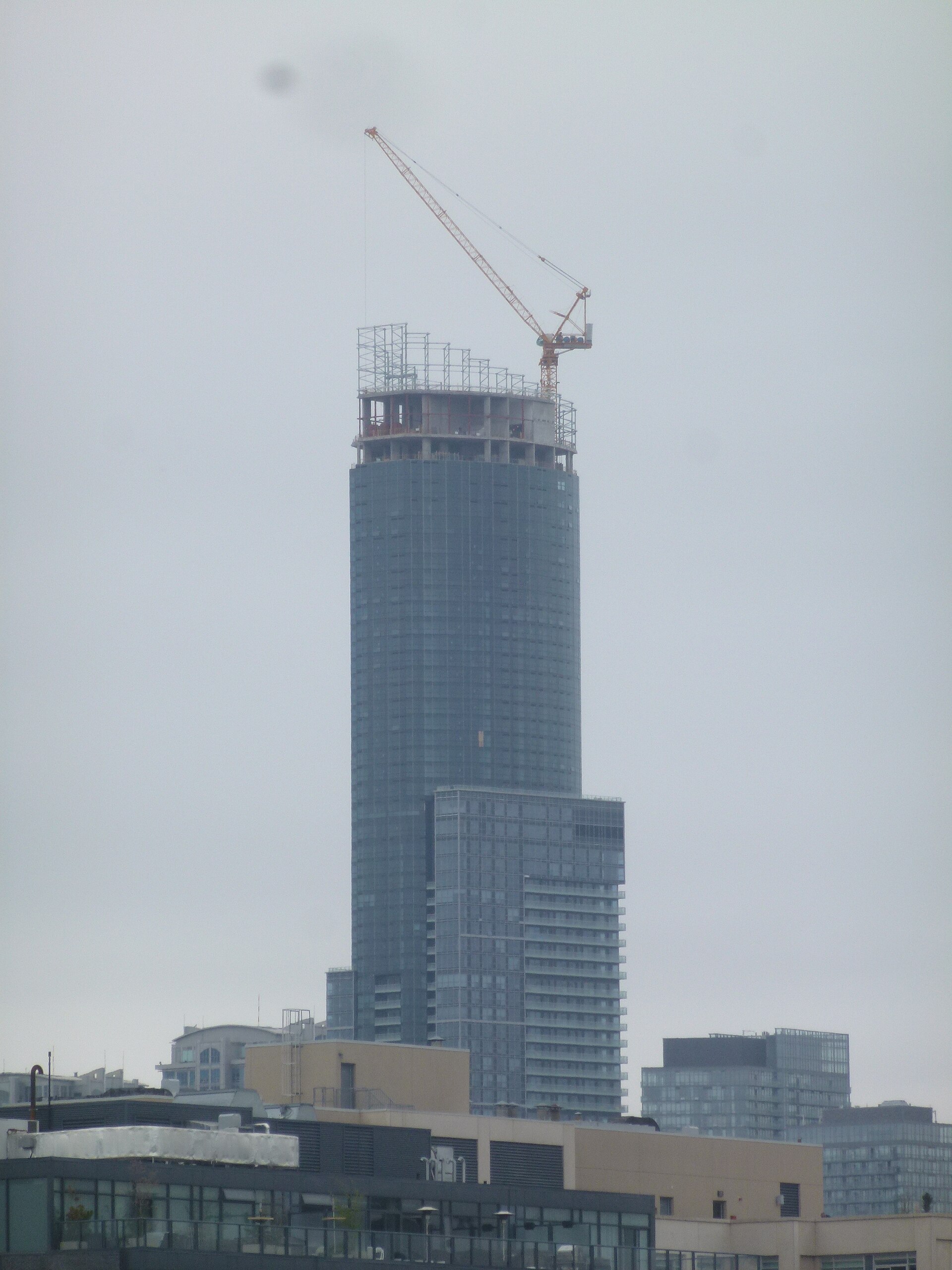
The two per cent is the one part of Bradford’s line that’s right. The math is clean. Fifteen hundred divided by 65,000 is 2.3 per cent, and rounding to two is fair. But that fraction compares her completed homes against a target the city doesn’t measure in completions. The HousingTO plan counts approvals, homes under construction, and finished homes together, tracked from January 2020. The city’s dashboard, current to June 30, lists more than 6,200 rent-controlled homes under construction and more than 4,200 finished: about 10,400, or 16 per cent of the 65,000 goal. That is eight times Bradford’s two per cent, and still a long way from the goal.


The 115 years is the weaker half of the line. Sixty-five thousand divided by 115 is 565 homes a year. Chow took office in July 2023; the debate came 3.3 years later, so her claimed 1,500 completions imply a pace of about 460 a year, which extrapolates to roughly 140 years, not 115. Read “that pace” as 1,500 homes a year and the answer is 43. It flatters her. The figure was built for a debate stage: by her own numbers, the honest extrapolation is worse for her than the one he used.
Chow answered with numbers of her own, tilted the other way. At an earlier CBC debate she said she’s “halfway” to the target and accused Bradford of cherry-picking completions while ignoring what’s approved and under construction. She isn’t. Approvals stand above 23,000 — 35 per cent — and the built-or-building count is 16. His number undershoots by counting only the tail of the pipeline. Hers overshoots by counting its mouth. The dashboard sits between them, and the target is far off pace either way.
The pace the target actually needs is about 12,000 homes a year. With four and a half years left to 2030 and roughly 54,600 homes still outside the built-or-building pipeline, that is the yearly rate that closes the gap. Chow’s own 2026 plan (9,800 starts, 1,400 completions) adds about 11,200 a year: roughly a thousand short of what’s needed, in the best year she’s promised. “You and I know building a building takes two or three years,” she told Bradford at that CBC debate. The lag is real, which is exactly why the starts matter more than the completions she was attacked on.
Bradford’s other housing line, starts at their lowest in 30 years, is the one with CMHC behind it. The agency said Toronto was “on pace for the lowest total annual housing starts in 30 years”; 2025 starts ended the lowest since 2009, and the per-capita rate was the weakest since 1996. What collapsed, though, was condos: 156 condo starts in the first half of this year against a decade average near 7,000, while rental starts rose 82 per cent and outpaced condos for the first time since 1994. The freeze is in condos nobody will buy. The rental segment Chow subsidizes is moving the other way, which complicates his “City Hall’s job is to create the conditions to build” indictment.
Chow’s rebuttals held up unevenly. The development-charge cut is real. A $1.5-billion federal-provincial deal in June cut charges 40 to 60 per cent, and Bradford himself voted for it after his own 25 per cent motion was rejected in March. The “80 per cent faster approvals” claim is her campaign’s number with no independent audit behind it, and the city’s own progress report concedes that starts and completions “are not keeping pace with the rate of approvals.” Her line that no affordable housing was built while Bradford chaired the planning committee can’t be checked from the public dashboard, which aggregates everything from 2020, so that claim sits in the unverifiable column.
Toronto broker Ralph Fox, writing on his own site this week, stated the pipeline the way the city won’t: “The city’s target is 65,000 affordable rental homes by 2030; only about 4,200 are finished and occupied.” Then he named the election’s real question — “whether you think government is the housing solution or whether it’s private enterprise.” An undecided voter live-commenting the debate on Threads pushed back from the other side, writing that blaming the mayor misses that the housing crisis is global, not municipal.
https://www.threads.com/@anyam44/post/De0J7BOlR6G
More than 200,000 ballots had already been cast before either candidate took the stage, with advance polls closing Oct. 11 and Nanos’s final pre-debate poll at 49.8 to 46.6.