Kayem Recalled 1.58 Million Pounds of Hot Dogs and Bacon Over One Warm Warehouse Cooler
The cooler was the safety system. How a warehouse temperature failure turned already-cooked meat into a Class I recall — and why the recall reaches back 68 days before the failure.
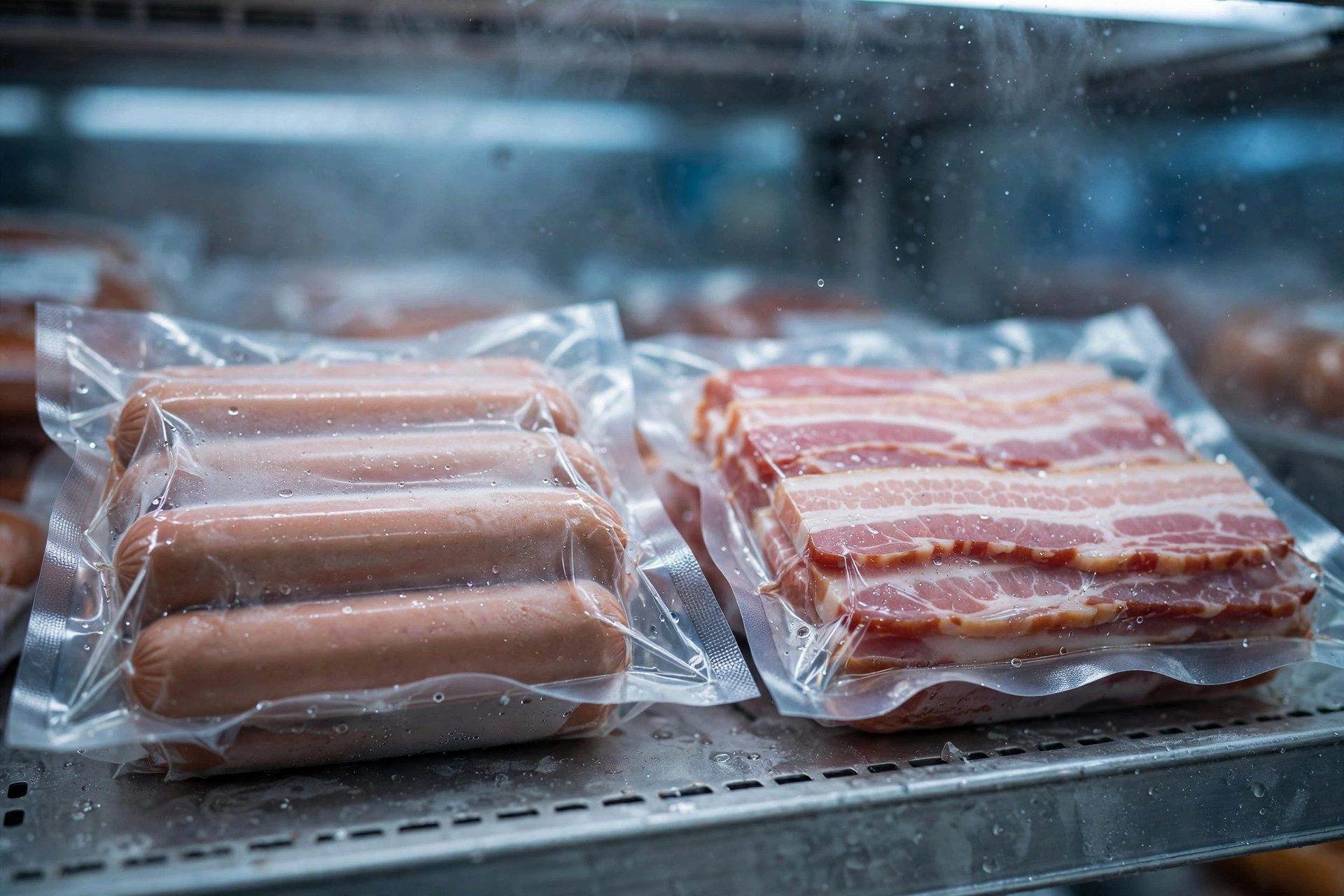
The box felt warm. That was the whole tripwire. On October 1, a retail customer told Kayem Foods that a delivery had arrived warmer than it should have been.
Kayem investigated and found the problem in one of its warehouses: a cooler holding ready-to-eat meat and poultry had been running at the wrong temperatures. The company announced its own recall on October 16. The next day, the USDA’s Food Safety and Inspection Service published Recall Release 026-2026: approximately 1,584,361 pounds of ready-to-eat meat and poultry, produced between March 31 and October 7, shipped to stores and foodservice locations nationwide and to Hong Kong, bearing one of three establishment numbers inside the USDA mark of inspection. No illnesses have been confirmed. FSIS classified it Class I, its most serious category, and told consumers not to eat the products: throw them out or take them back.
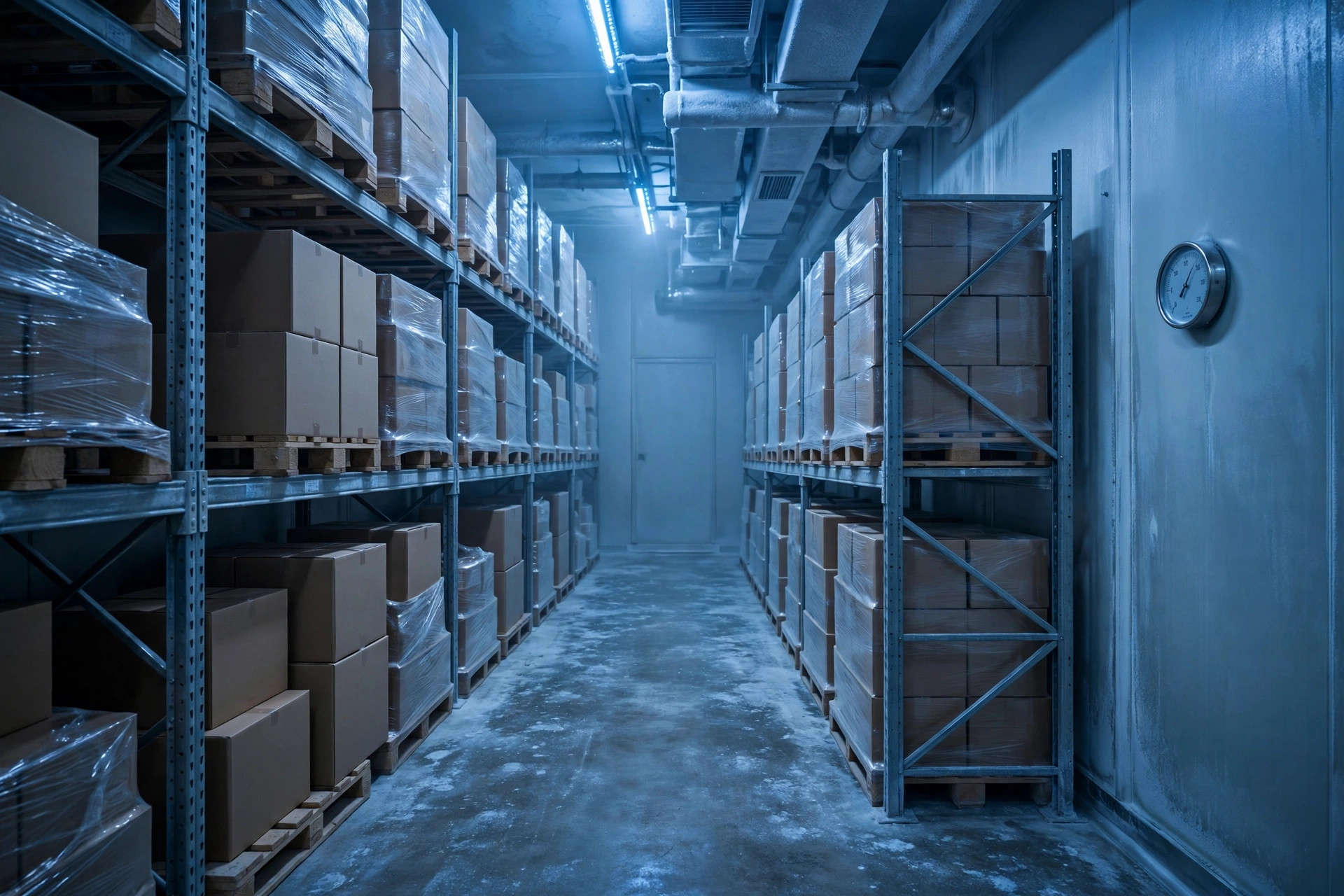
What “warm” means for these products is different from what it means for milk. Hot dogs, bacon, deli turkey, kielbasa — the recalled items are ready-to-eat, fully cooked, meant to go from package to mouth without anything else happening in between. There is no kill step at home. The entire safety system between the plant in Chelsea, Massachusetts, and a shopper’s plate was the cold chain, and the cold chain was one cooler.


Once that breaks, the physics is unforgiving. Perishable food held between 40 and 140 degrees sits in what food-safety officials call the danger zone, where bacteria multiply fastest. Some of the bacteria that grow there are undone by cooking. Some are not. Listeria monocytogenes can grow even at proper refrigerator temperatures. Some bacterial toxins survive reheating. Chilling the product back down afterward doesn’t reset the clock — the growth that happened while it was warm is still in the package.
A physician posting as Dr. Frita walked her 210,000 Instagram followers through exactly that on October 20. The 40-to-140 danger zone is why FSIS treats this as a Class I event, she explained: bacteria growing in improperly stored meat can mean Listeria monocytogenes, Salmonella or E. coli infection. She posted it three days after the FSIS announcement.
The dates in the two announcements don’t line up, and the gap is the most interesting number in the recall. Kayem’s own statement says the affected products were stored and shipped between June 7 and October 14. The FSIS release says the recalled products were produced between March 31 and October 7. March 31 is 68 days before June 7. Franks made in April and May, up to ten weeks before the failure window the company named, are in this recall anyway.
If Kayem’s logs could prove which lots spent time in the deviating cooler, the recall’s production window would start on June 7. It starts on March 31. The mismatch reads as a traceability limit: the company swept the full production window rather than claim a precision its records couldn’t support. That is also why the recall is 1.58 million pounds instead of whatever smaller number sat in that one cooler.
One company’s pallets carried nine brand names. Kayem, Al Fresco, McKenzie, Triple M, Genoa, Deutschmacher, Jordan’s, Essem, Winnisimmet — 68 product lines across three establishment numbers, from Fenway Franks to Al Fresco chicken sausage to McKenzie bacon. A shopper checking for the Kayem name on the front of the package would miss most of them; the number that matters is inside the USDA mark of inspection.
“Another recall, y’all.” Mya Lee, filming in her car on October 22, read the USDA details to her followers and said what a lot of shoppers are thinking: “It’s not funny.” She’s right that the checklists all look alike. Underneath this one, nothing was contaminated at the plant: the food left Chelsea fine and got warm in a warehouse.
Kayem president Matt Monkiewicz said the company is undertaking the recall “out of an abundance of caution,” apologized, and said management takes full responsibility for the lapse. The company says the cooling problem has been corrected and that it is contacting wholesale and retail customers directly. Its consumer line is 1-800-426-6100; the USDA meat and poultry hotline is 888-674-6854.
The distribution trace is still being assembled. Walmart has said it sold affected products at stores in eight states — Connecticut, Maine, Massachusetts, New Hampshire, New York, Pennsylvania, Rhode Island and Vermont. FSIS has not named other retailers, and some recalled items carry expiration dates into February 2027, which means packages could still be sitting in home freezers months from now.
FSIS says it will post retail distribution lists on its recalls page when they’re available.