AI Data Centers Are Pricing Gamers Out of Next-Gen Consoles
Quintupled memory costs and corporate layoffs signal a fundamental shift in how Xbox and PlayStation will be sold.
The artificial intelligence infrastructure buildout is colliding directly with the consumer electronics market. Memory chip prices have quintupled as hyperscale data centers absorb global DRAM and NAND manufacturing capacity, creating a supply shock that threatens to push the next generation of video game consoles past $1,000. For an industry built on selling hardware at razor-thin margins to drive software revenue, the math no longer works.
Microsoft’s next-generation console, internally codenamed Helix, now carries projected price tags between $1,200 and $1,800 unless the company chooses to subsidize the hardware, according to Fortune. The report detailed internal estimates tied to the 2028 holiday season, a full year later than earlier industry rumors suggested. That pricing would represent more than double, and potentially more than triple, the $500 launch cost of the Xbox Series X in 2020. Microsoft has already raised the Series X’s price several times as component costs climbed.
Sony faces identical constraints. Trusted leakers indicate the PlayStation 6 bill of materials is approaching $1,000. The current PlayStation 5 Pro already retails for $900. Sony CEO Hiroki Totoki recently confirmed the PS6 launch window remains undecided, though the company plans to stop manufacturing physical discs for new games in January 2028, signaling a broader transition timeline aligning with the delayed hardware cycle.

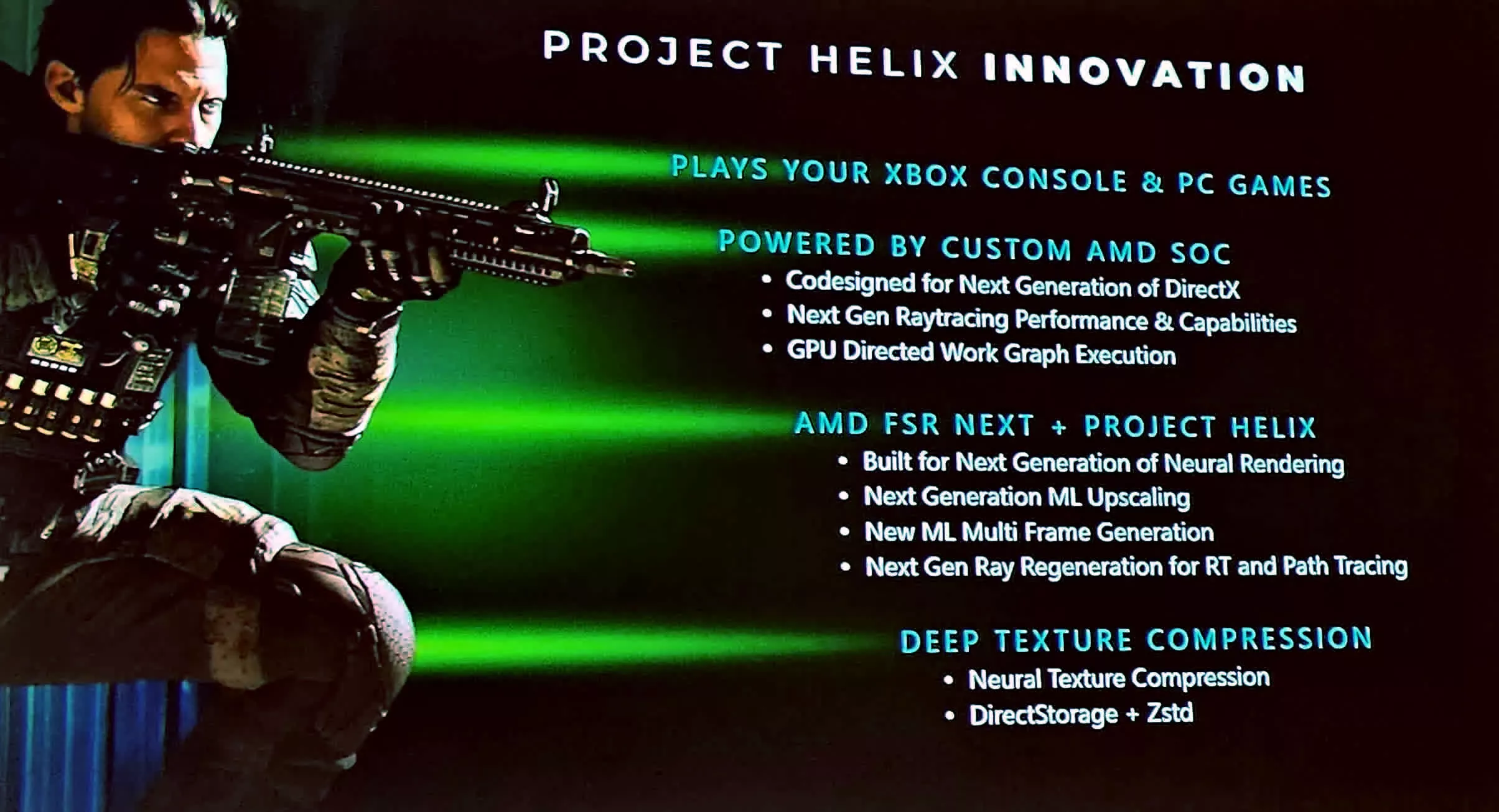
Both machines are expected to rely on AMD’s Zen 6 CPU and RDNA 5 GPU architectures. Leaked specifications suggest Sony’s device will feature eight CPU cores and 40 to 48 GPU Compute Units. Microsoft reportedly plans 10 CPU cores with 20 threads, with leaks pointing to a potential 40% rendering performance advantage over the PS6 in specific workloads. Features including ray tracing, path tracing, neural rendering, machine learning, upscaling, denoising, neural texture compression, and multi-frame generation will be central to the architecture. Microsoft previously confirmed developers will receive Helix development kits next year.
Console manufacturers historically sell hardware at a loss or near break-even, recouping investments through game sales and subscription fees. A $1,200 base price shatters that model. The install base required to justify exclusive game development shrinks drastically when entry costs rival high-end gaming PCs. This dynamic explains why Microsoft is simultaneously pursuing a handheld Xbox targeted for the 2027 holiday season, which sources told Fortune would natively support digital Xbox console games rather than functioning as a Windows-based device like the Asus ROG Xbox Ally.
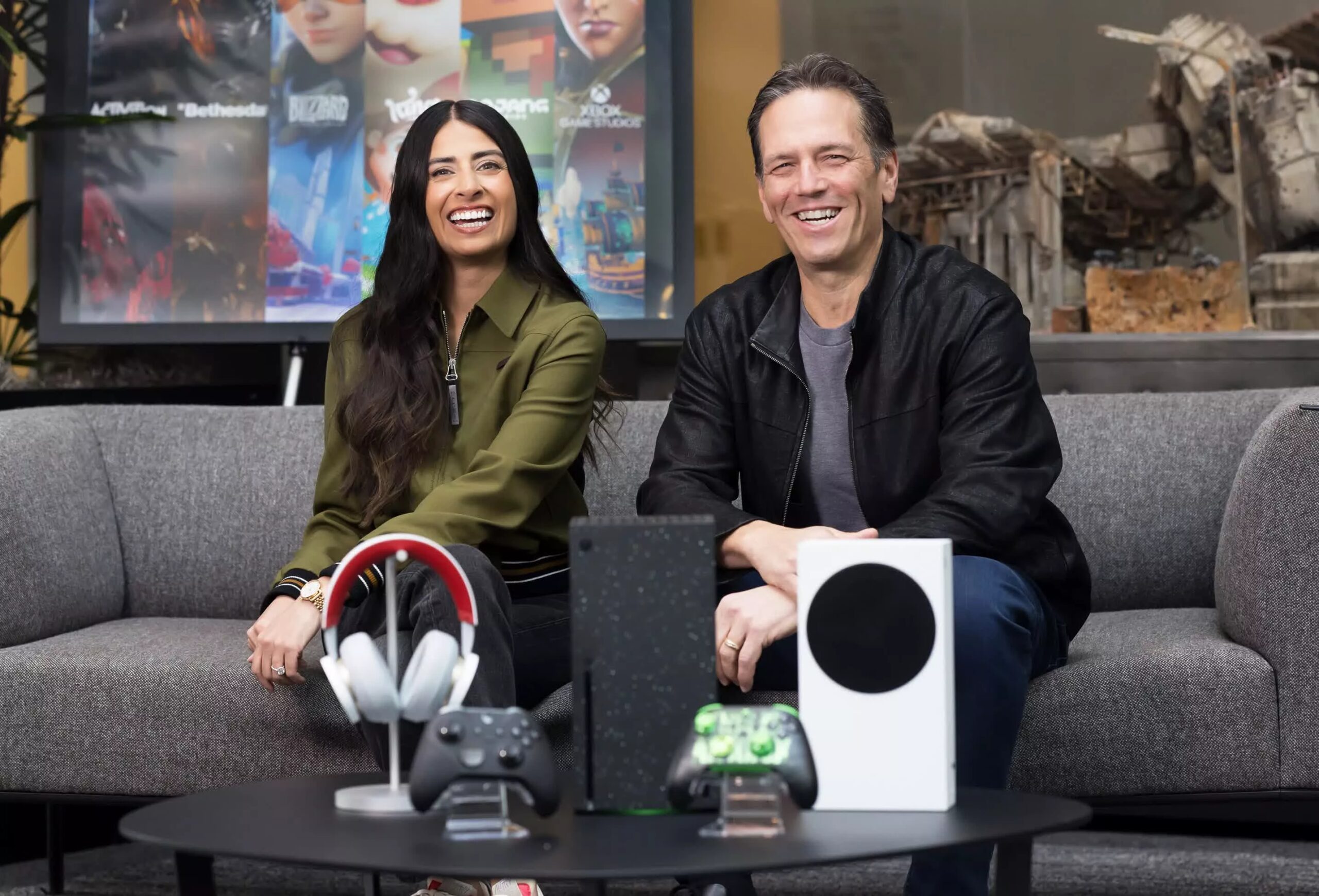
The financial pressure extends beyond silicon procurement. Xbox CEO Asha Sharma, who replaced Phil Spencer earlier this year, is restructuring the division’s business model to adapt. Sources told Fortune she plans to overhaul the Game Pass subscription service into an à la carte system where users select specific add-ons and online features. Sharma has stated publicly she wants to make the service more affordable, following partial reversals of previous price increases.
Sharma has cut nearly 1,900 employees so far under a plan to reduce headcount by 3,200 over the next year, according to Fortune. Additional layoff rounds are scheduled for October, November, and January. Across the broader corporation, Microsoft has laid off roughly 35,000 workers since 2020.