Elizabeth Holmes Doc ‘You Can See Everything’ Earns $15M
The A24 release averaged $17,544 per screen, finishing second overall while outperforming wide releases backed by $100 million-plus budgets.
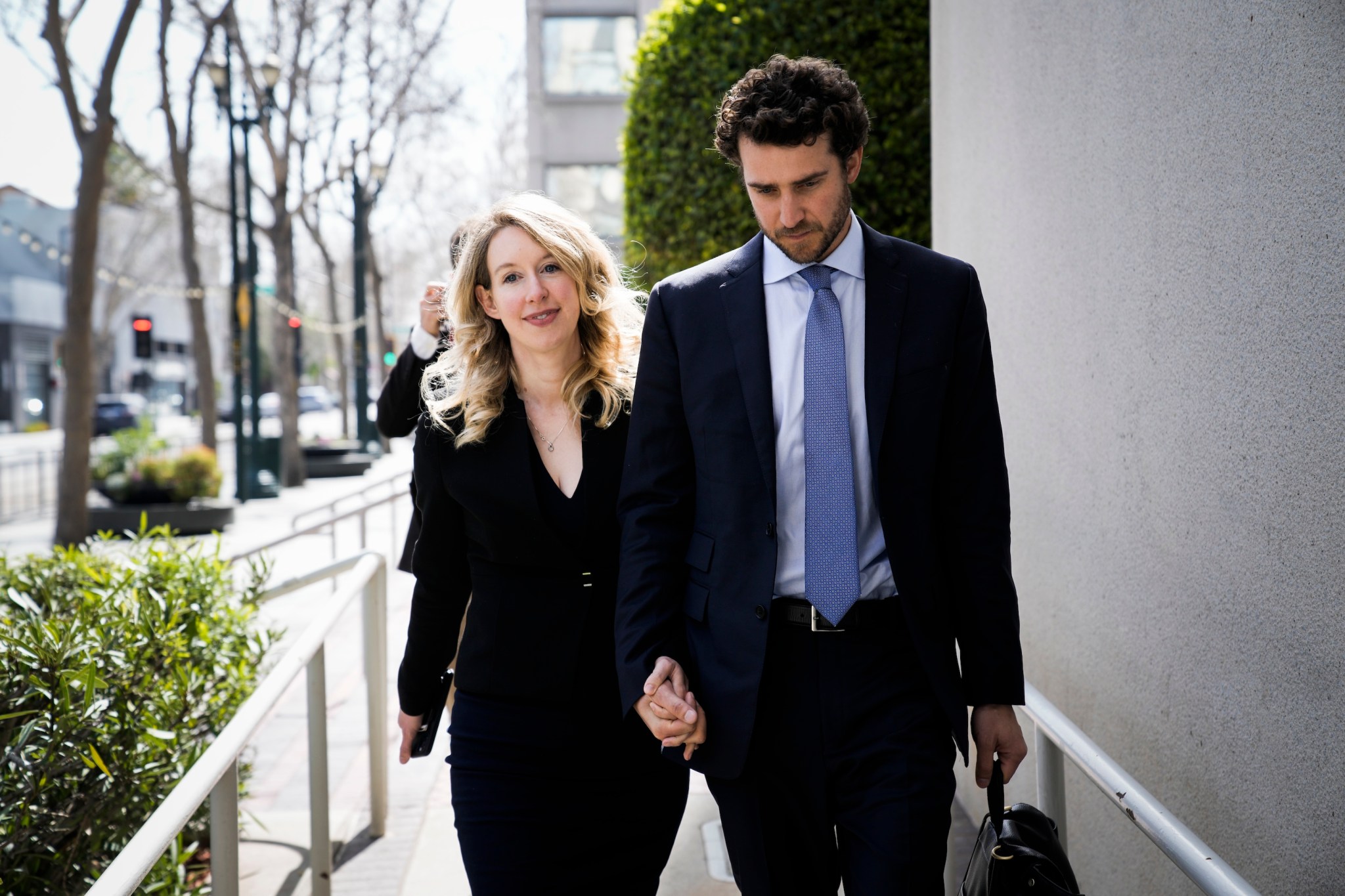
A documentary about Elizabeth Holmes pulled in an estimated $15 million domestically this weekend, according to Sunday estimates, outgrossing major studio releases backed by nine-figure budgets. Nathan Fielder and Lance Oppenheim’s “You Can See Everything” played 855 theaters across the U.S. and Canada under distributor A24, generating roughly $17,544 per screen.
The figure marks the second-largest opening weekend for a nonfiction film in box office history. Michael Moore’s “Fahrenheit 9/11” remains the only documentary to debut higher, earning $23.9 million on 868 screens in 2004, according to Box Office Mojo data. A24 reported more than 2,000 sold-out screenings over the three-day period, doubling the $7 million to $8 million range Variety had projected before release.
Paramount and Legendary’s “Street Fighter” took the top spot with $31 million. But that wide release occupied 3,575 locations, averaging just $8,671 per theater—less than half the per-screen yield of the Holmes film. The documentary also finished ahead of 20th Century Studios’ “Whalefall” ($8 million) and Focus Features’ “Sense and Sensibility” ($7.25 million).


Warner Bros.’ “Digger,” a dark comedy directed by Alejandro G. Iñárritu starring Tom Cruise, opened to $8 million earlier this month. Green-lit at a reported $125 million, production costs climbed to between $160 million and $180 million, and Variety has projected it could lose about $245 million over its theatrical run. By its third weekend, “Digger” grossed $920,000, placing 15th. “You Can See Everything” ranked 13 spots higher.
Combined production and marketing expenses for the documentary reportedly stayed under $20 million. It beat several narrative studio releases over the same frame, including “Other Mommy,” “Verity,” “Resident Evil,” “Heart of the Beast,” “Forgotten Island,” “The Social Reckoning,” and A24’s own “Primetime.”
Amazon MGM Studios spent $40 million acquiring rights to “Melania” and roughly $35 million marketing it before the film debuted to about $7 million across 1,778 theaters in late January. “You Can See Everything” more than doubled that opening while playing in fewer than half as many venues.
“Fahrenheit 9/11” eventually reached $119.2 million domestically, a record no documentary has broken. “March of the Penguins” expanded from four screens in 2005 to $77.4 million total, and “Michael Jackson’s This Is It” hit $72 million in 2009. Those remain outliers in a distribution system where nonfiction films rarely secure theatrical runs at all.
The project premiered without advance notice at the Telluride Film Festival on Sept. 6. Marketing leaned heavily on the dynamic between Holmes—currently serving a federal prison sentence exceeding 11 years for fraud—and Fielder, whose comedic work routinely obscures the boundary between performance and reality. Spoiler warnings circulated ahead of release, a practice almost entirely absent from documentary rollouts.
Rotten Tomatoes lists the film at 99%. Its 4.8 average on Letterboxd is the highest ever recorded on the platform, according to Boxoffice Pro. Awards watchers are now debating whether it could make history as the first documentary ever nominated for Best Picture at the Academy Awards.