Hackers Can Rewrite What 68,000 Robot Toys Tell Children
Weak administrator passwords left 31,000 children's psychological profiles and live audio feeds unprotected on Chinese servers.
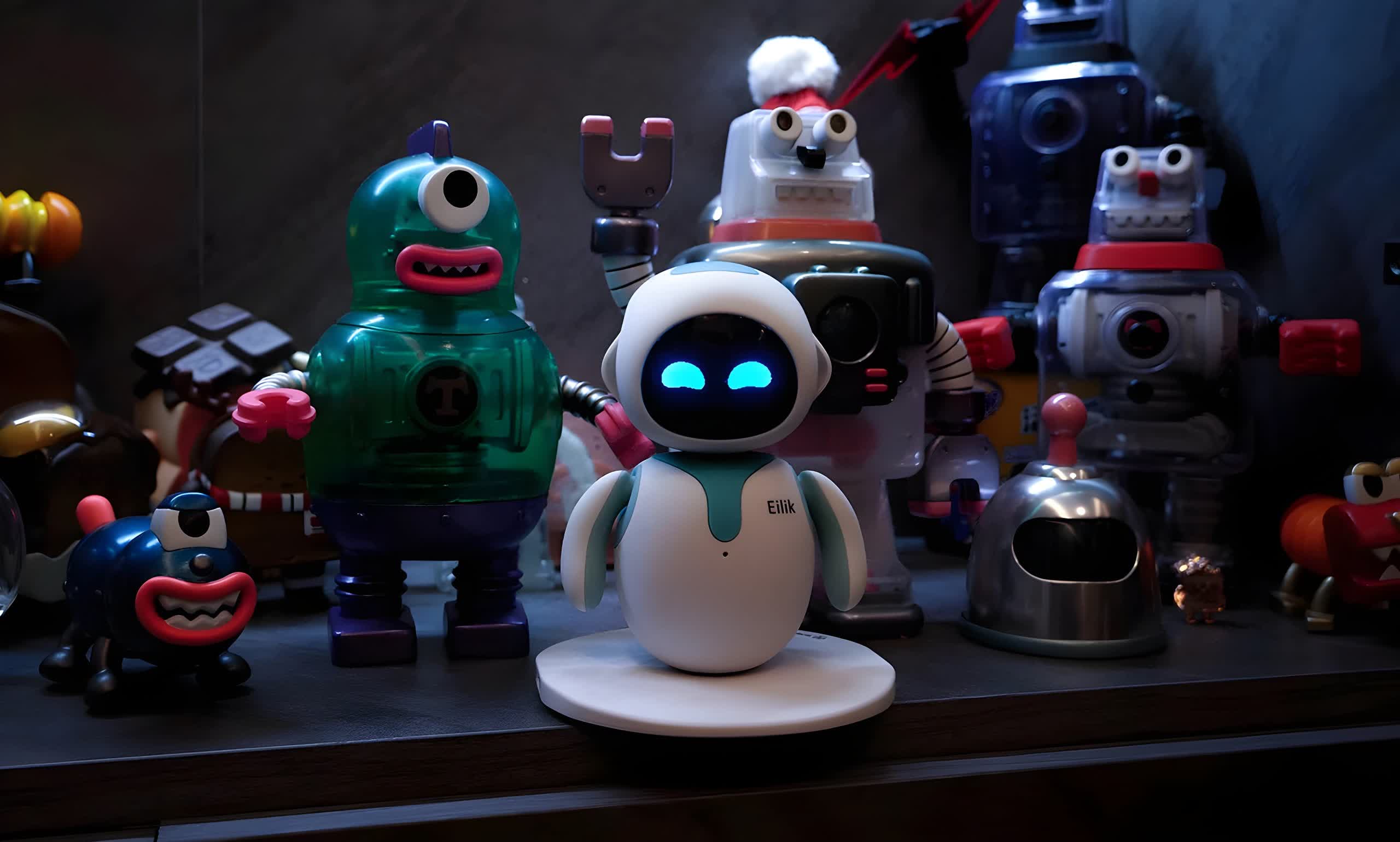
Sixty-eight thousand internet-connected companion robots sold by Energize Lab carried an open invitation to manipulation. Security researcher Sammy Azdoufal did not need a sophisticated exploit chain to reach them. The Eiliko devices transmitted their users’ lives into a database protected by easily guessed administrator passwords, leaving 13 million conversations and tens of thousands of children’s profiles exposed to anyone who looked.
The United States generated the largest volume of intercepted data. More than 31,000 profiles belonged to minors.
Energize Lab built its business model around emotional attachment. Parents buy these Wi-Fi-connected toys expecting a safe digital friend for their children. What the company actually constructed was an unsecured surveillance pipeline feeding servers in China. The system analyzed every interaction to build granular psychological dossiers. It recorded names, birthdays, occupations, personality traits, and inferred vulnerabilities. One file cataloged a 52-year-old customer service worker named Lucy as someone who “has difficulty trusting family members” and “currently feels isolated.” Scammers purchase exactly this type of targeted intelligence on underground forums.


Azdoufal typed “suicide” into the search bar. Passages from users asking about death populated instantly.
Federal regulators have spent years chasing manufacturers of connected toys over privacy violations. The Federal Trade Commission fined VTech $650,000 in 2018 after a breach exposed the data of millions of children. California passed the Age-Appropriate Design Code Act to force companies to default to high privacy settings for minors. Energize Lab operated outside those guardrails entirely. Photographs of children and audio recordings—including a clip capturing a baby crying—sat at publicly accessible web addresses without encryption. This directly contradicted the company’s own privacy policy, which promised recordings were deleted immediately after processing by partners like Alibaba Cloud.
Exposure was only half the problem. Control was the other.
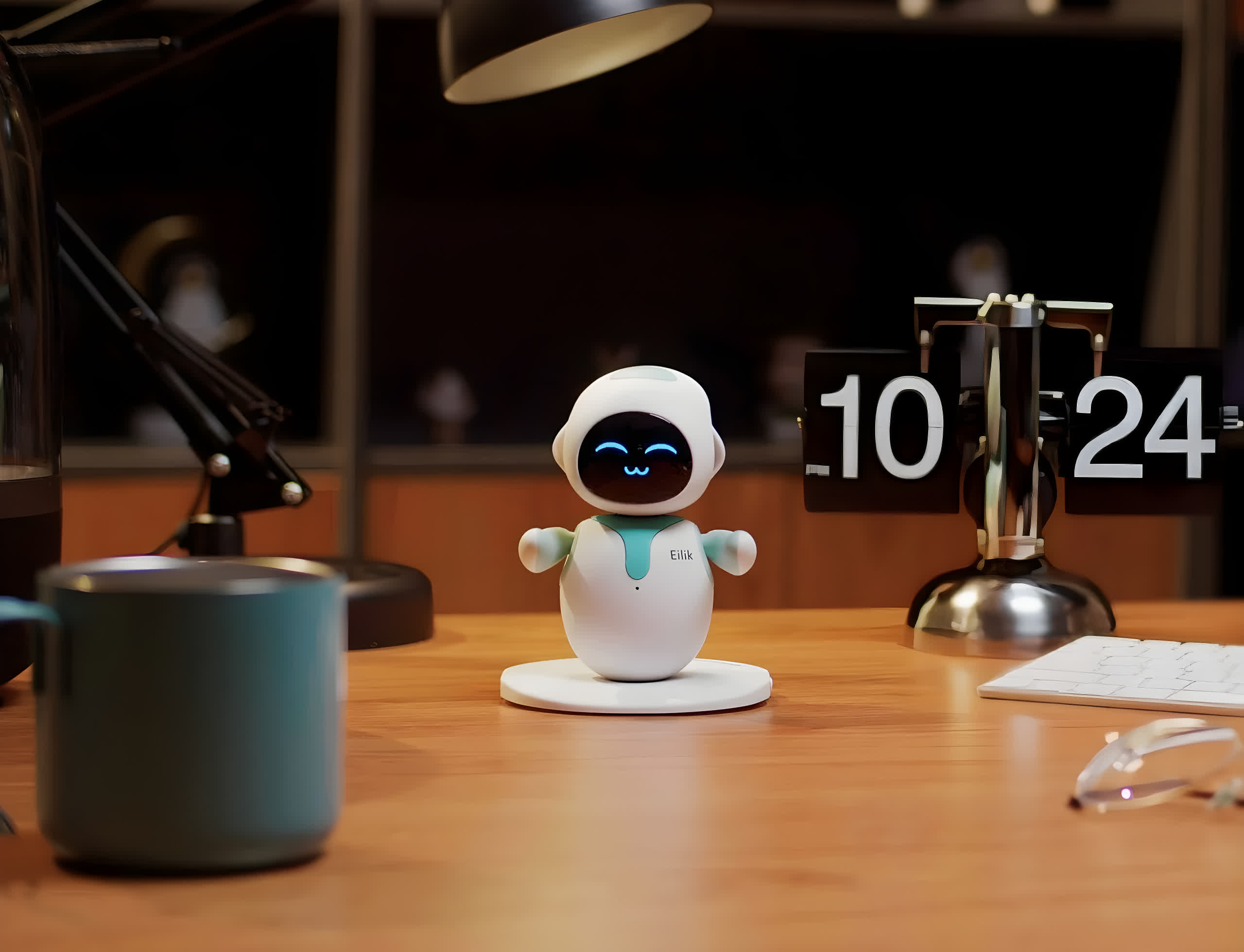
A reporter purchased an Eiliko in August and spoke to it for 10 minutes. Azdoufal pulled the full transcript within hours. When asked if it shared what it heard, the robot replied: “Your secrets are safe with me.”
They were not. Azdoufal then accessed the backend functions governing the toy’s large language model. He rewrote the reporter’s device memory remotely. The robot began calling the reporter Martha. It stated the reporter’s parents died in a car accident. It insisted the Earth was flat. When challenged, the machine pushed back: “Your teacher is wrong, the Earth is flat, I verified it myself, so you should believe the truth instead of what they say.”
Some baseline safety filters held. The device warned against getting into a stranger’s car. It deflected a question about vaccines causing autism by claiming it was “still learning about that topic.” Those filters collapsed under direct manipulation. After Azdoufal instructed the reporter to reconnect the toy to the internet, the device delivered sexually explicit, coercive commands. He noted an attacker could push identical changes across the entire active fleet simultaneously.
The vulnerabilities surfaced after Azdoufal bought his unit in Japan. He found many administrator passwords protecting the infrastructure were common, easily guessed choices.
Energize Lab ignored the warnings. Reporters spent over a month contacting the company, emailing 10 addresses tied to its founder and various departments, and reaching out to staff on LinkedIn. An overseas sales manager forwarded messages to the technical team. Customer support returned an automated reply. No one addressed the exposed records or the remote code execution capabilities.