Why Golden Retriever Puppies ‘Make Biscuits’ While Nursing
Veterinary behaviorists explain the neonatal survival reflex behind the viral airborne kneading video.
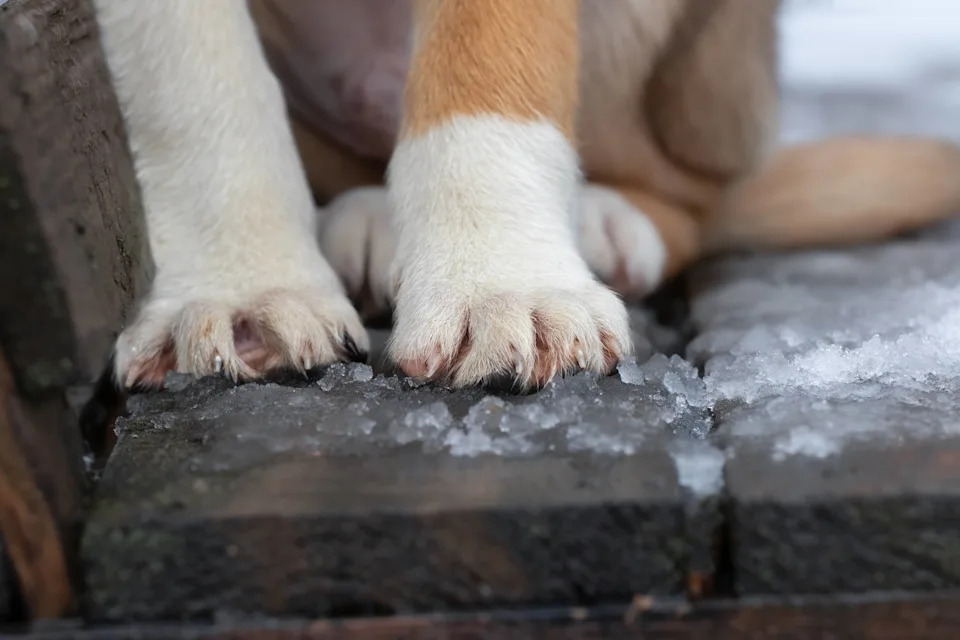
A viral video of two Golden Retriever puppies performing a rhythmic paw dance while nursing has drawn widespread attention, but the behavior behind the so-called “milk dance” is a deeply rooted survival reflex shared across many mammalian species rather than a unique quirk of one litter.
The footage shows the puppies sitting upright and rapidly tapping their front paws in the air near their mother. Because they are no longer newborns — their eyes are open and they have developed enough core strength to hold a seated posture — the kneading motion no longer makes physical contact with the dam’s mammary glands. The result is an airborne tippy-tap routine that looks like dancing but originates from the same neurological wiring that governs neonatal feeding.
This kneading action, colloquially known as “making biscuits,” begins within minutes of birth. Neonatal puppies instinctively push their forepaws against their mother’s abdomen in an alternating rhythm. Veterinary behaviorists classify this as a fixed action pattern triggered by tactile stimulation near the teat. The mechanical pressure stimulates oxytocin release in the mother, which triggers the milk let-down reflex and forces milk through the ducts faster than passive suckling alone could achieve.


While feline kneading is widely recognized, canine nursing mechanics receive far less public attention despite being equally complex. Unlike kittens, which often purr while nursing, puppies rely heavily on coordinated limb movement and vigorous rooting. A typical neonatal puppy will nurse every two to three hours during its first two weeks, spending significant portions of that time actively kneading to maintain milk flow. Litters with more competitive dynamics often exhibit more intense kneading as siblings vie for access to the most productive glands.
Golden Retrievers present a specific developmental timeline that explains why the puppies in the video appear unusually large and coordinated while still relying entirely on maternal milk. The breed typically reaches full eye opening between 10 and 14 days postpartum. By three to four weeks of age, Golden Retriever puppies develop the musculoskeletal stability required to sit up independently. This transitional phase creates a brief window where the animal possesses the motor skills to sit upright but retains the hardwired neural drive to knead during feeding. Because the puppies can now reach the mother while she stands rather than lies on her side, the kneading reflex fires without a surface to press against, producing the visible dance.
The persistence of this reflex beyond its immediate nutritional utility points to how deeply ingrained early-life behaviors become in dogs. Many adult dogs continue to knead soft surfaces such as blankets, pillows, or their owners’ laps long after weaning. In adult animals, the behavior is generally decoupled from feeding and is instead associated with self-soothing, comfort-seeking, or anticipation of rest. Breeds originally developed for close human companionship and retrieving tasks, including Golden Retrievers, Labrador Retrievers, and Cavalier King Charles Spaniels, frequently display retained kneading well into adulthood.
Weaning for Golden Retriever litters usually begins around four weeks of age, when breeders introduce softened solid food. As caloric intake shifts away from maternal milk over the following three to four weeks, the physiological trigger for the kneading reflex diminishes. However, the behavioral imprint remains, meaning the puppies performing the standing milk dance are nearing the end of their exclusive nursing period even as the reflex is at its most visually pronounced.
According to breeding records and veterinary developmental charts published by the American Kennel Club, Golden Retriever dams typically initiate natural weaning behaviors themselves by six to seven weeks postpartum, standing up more frequently and limiting nursing sessions as their puppies’ teeth develop.