Los Angeles Measure EE Would Raise Referendum Threshold and Cut City Council Meetings
The proposed charter amendment raises the signature requirement for ballot referendums while bundling ethics reforms and changes to civilian oversight of the LAPD and Fire Department.
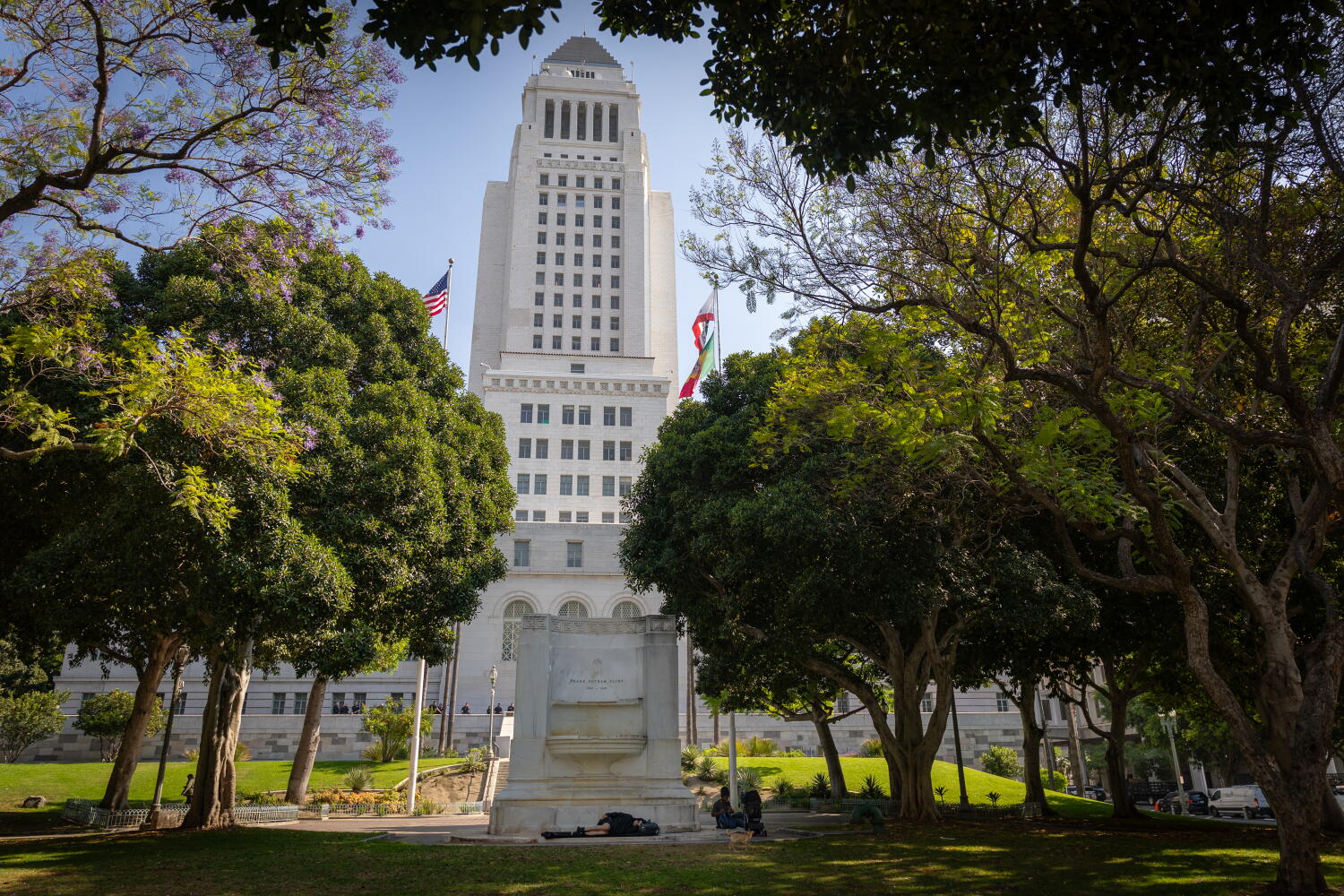
Los Angeles voters face a charter amendment that would fundamentally alter the balance of power between residents, elected officials and city watchdogs by making it significantly harder to overturn council decisions at the ballot box while simultaneously reducing the number of times the council is required to convene.
Measure EE, placed on the ballot by the City Council itself, bundles several structural changes into a single vote. Its most consequential provision raises the signature threshold for qualifying a referendum from 10% to 15% of the votes cast in the last mayoral election. Because Los Angeles law gives referendum organizers only 30 days to gather signatures — compared to four months for voter-initiated legislation — the higher bar threatens to eliminate direct public vetoes over council actions.
The practical math illustrates the shift. During the 2022 mayoral general election, roughly 929,000 ballots were cast. Under current rules, petitioners need about 93,000 valid signatures to force a referendum vote. If Measure EE passes, that requirement jumps to nearly 140,000. For context, a well-funded coalition backed by Delta Air Lines, United Airlines and the American Hotel and Lodging Assn. failed to collect enough signatures last year to repeal a $30 minimum wage ordinance for tourism workers, falling approximately 9,000 names short under the existing 10% standard.


City Councilmember Tim McOsker, who represents the Harbor Area and parts of South Los Angeles, argues the adjustment creates parity between referendums and initiatives, ensuring both pathways require broad public backing before reaching voters. Watchdog groups counter that compressing a much larger signature drive into a one-month window renders the referendum process functionally useless for anyone lacking massive institutional funding.
Alongside the referendum change, the amendment targets the council’s meeting schedule. Currently, the 15-member body holds regular meetings multiple times per week, a cadence that differs sharply from other major California cities. San Diego, Sacramento and Long Beach each operate with councils that meet once weekly. McOsker contends the current frequency is unproductive and forces constituents to return repeatedly when votes are deferred. He suggests consolidating sessions would push substantive debate into committee hearings, where measures receive more detailed scrutiny and public comment periods run longer.
Critics warn that fewer full-council meetings shrink the primary window for public participation. Rob Quan, an organizer with the government accountability group Unrig LA, said he could support a reduced schedule only if paired with reforms such as releasing agendas further in advance and holding committee sessions during evening hours to accommodate working residents. He expressed deep skepticism that the council would voluntarily adopt those accompanying changes.
To build broader appeal for the package, the amendment includes provisions expanding civilian oversight authority. The inspector general of the Los Angeles Police Department and the independent assessor for the Fire Department would gain protected audit powers, stripping their respective commissions of the ability to block investigations. While no recent instances exist of either commission halting an audit, proponents say codifying independence prevents future interference. The measure also clarifies the definition of a “stakeholder” eligible to serve on neighborhood councils, though Kay Hartman, president of the Palms Neighborhood Council and chair of the L.A. Neighborhood Council Coalition’s subcommission on charter reform, characterized the language as carrying no substantive operational change for the advisory bodies.
Ethics enforcement receives a parallel upgrade. Civil fines imposed through the court system for ethics violations would rise to match administrative penalties levied directly by the Ethics Commission. Following the passage of Charter Amendment ER in 2024, the commission gained the authority to issue fines up to $15,000. Measure EE extends that same ceiling to civil suits filed by private citizens. Additionally, the amendment imposes a five-year cooling-off period barring ethics commissioners and the executive director from running for the City Council or the LAUSD Board of Education after leaving their posts, a preemptive restriction enacted despite no historical precedent of such a conflict occurring.
Councilmember Rodriguez criticized the bundled approach, calling the measure a ruse designed to use popular ethics reforms as cover for insulating incumbents from public scrutiny and direct democratic challenges.
Los Angeles County election officials are preparing materials detailing the charter amendments ahead of the upcoming election cycle, with the county registrar-recorder responsible for publishing the impartial analysis and fiscal impact statements required for all local ballot measures.