Netherlands Builds Custom Linux OS to Strip Microsoft From Government Infrastructure
The DAWO project leverages the NixOS distribution to shield Dutch public institutions from U.S. sanctions and forced service disruptions following incidents at the International Criminal Court.
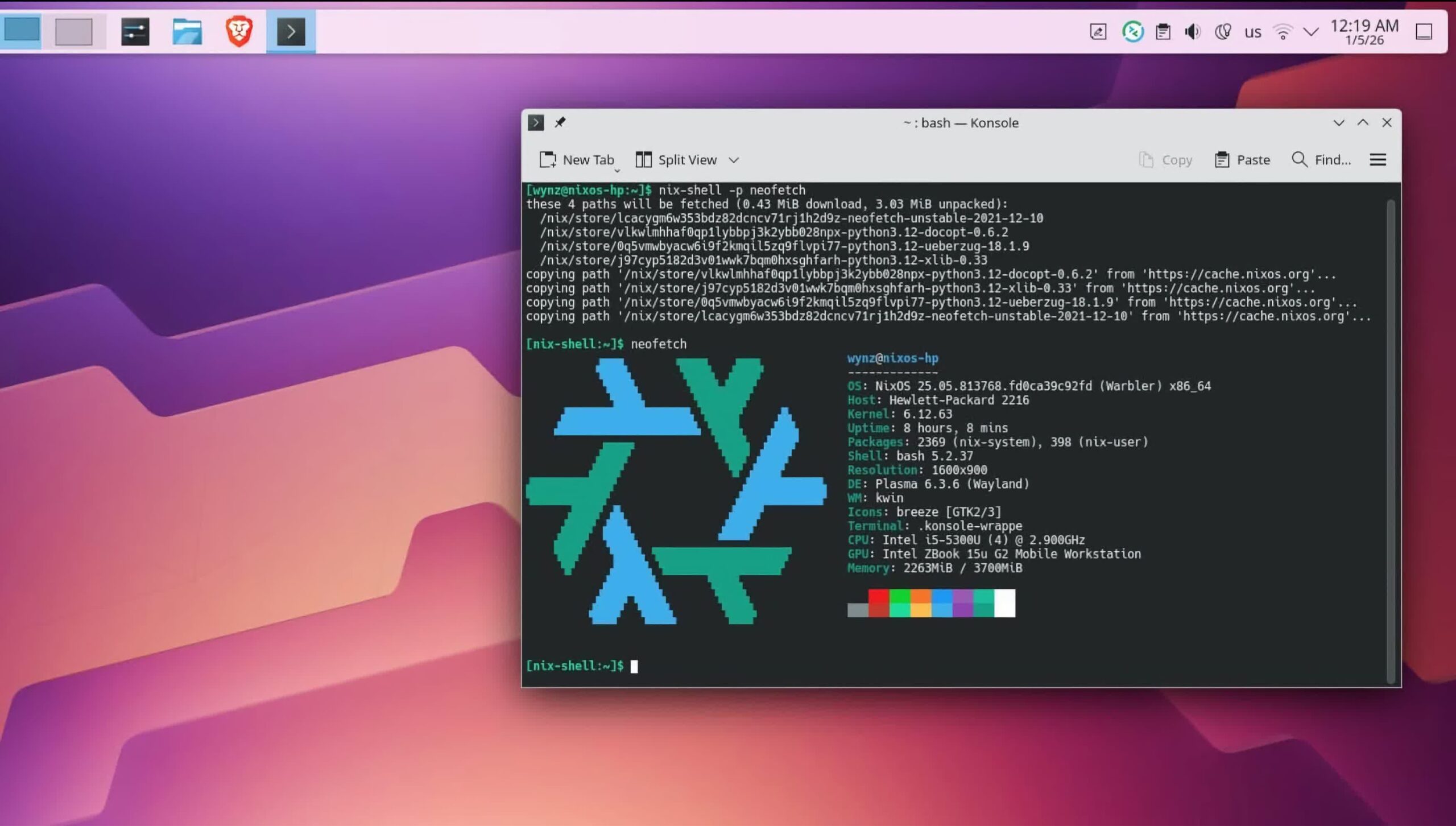
The Dutch government has launched a comprehensive initiative to replace U.S. commercial software with a domestically developed Linux operating system, marking one of Europe’s most aggressive moves toward digital sovereignty. The project, known as Digitaal Autonome Werkomgeving Overheid (DAWO), aims to provide public institutions across the Netherlands with an independent IT ecosystem encompassing a custom OS, office productivity suites, cloud services, and management tools.
DAWO is built on NixOS, a Linux distribution rooted in the Nix package manager originally created by Dutch developers and first released in 2003, with the full operating system debuting in 2006. Unlike conventional Linux distributions that rely on imperative configuration changes, Nix uses a functional programming language to define system states. This architecture ensures that software deployments are reproducible and isolated, meaning a failed update can be instantly rolled back without corrupting the broader system. The NixOS Foundation, a Dutch nonprofit, currently supports the project.
The push to operationalize DAWO accelerated after years of stalled sovereignty efforts, driven by escalating friction between Washington and European institutions based in The Hague. The U.S. government recently imposed sanctions targeting the International Criminal Court (ICC). Following those measures, Microsoft reportedly restricted ICC prosecutors from accessing email accounts and critical IT services hosted on its platforms. The incident exposed the vulnerability of international organizations relying on infrastructure controlled by companies subject to U.S. jurisdiction and export regulations.


In response, the ICC began migrating away from Microsoft Office toward open-source alternatives. DAWO represents the domestic extension of that defensive posture, designed to ensure Dutch government operations cannot be similarly disrupted by foreign policy decisions made outside the country.
Pilot programs for the new sovereign infrastructure have already been deployed in private and local environments. Standardization efforts formally began several months ago when Dutch authorities committed to building a national IT ecosystem. A primary technical challenge involves accessibility; because NixOS historically favors command-line configuration over graphical user interfaces, developers must engineer intuitive desktop environments suitable for non-technical civil servants before a nationwide rollout becomes viable.
The Netherlands is not acting alone. Across Europe, governments are channeling millions into conversion projects designed to decouple public administration from Windows and U.S.-based cloud providers. France has expanded its use of open-source software within state agencies, while Germany continues to fund sovereign cloud architectures under initiatives like Gaia-X to keep data processing within European borders. These efforts reflect a broader realization that reliance on American technology firms carries geopolitical risk, particularly as U.S. trade and sanction policies increasingly target entities operating on European soil.
Earlier this year, Dutch authorities intervened to block a U.S. company’s attempt to acquire a critical application widely used by citizens, signaling that the government’s definition of digital sovereignty now extends beyond software licensing to include corporate ownership of essential digital utilities.
DAWO’s initial pilot deployments remain active in localized test environments as engineers adapt the NixOS framework for broad administrative use.