September’s Game Rush Clears the Path for Grand Theft Auto VI
Five major releases arrive before Rockstar’s biggest launch

The global video game publishing schedule has reached an unprecedented density this September as publishers clear release windows ahead of Rockstar Games’ scheduled November 19 launch of Grand Theft Auto VI.
Rockstar’s open-world title is expected to dominate consumer spending and media coverage throughout the fourth quarter. Capcom, Nintendo, Konami, Remedy Entertainment, and independent studio Rebel Wolves have therefore concentrated marquee releases into the late-summer frame, creating a slate that spans action, fantasy, tactical role-playing, and survival horror.
Capcom’s Onimusha: Way of the Sword marks a major return for the long-running samurai action series, which debuted on the PlayStation 2 in 2001 with Onimusha: Warlords.


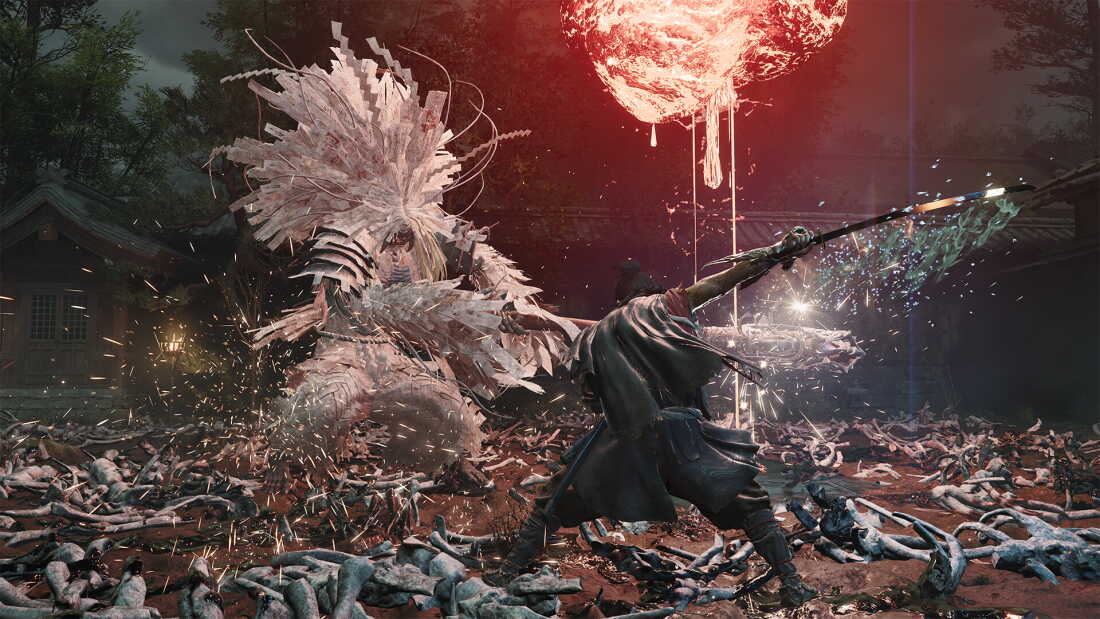
According to Capcom developers, one primary design objective for Way of the Sword was translating the fluid, pre-rendered cutscene choreography of earlier franchise titles into real-time, playable combat. Its mechanics prioritize high-precision defense and offense through frame-perfect parries, dodging, and counters. Unlike its linear predecessors, the game incorporates an open-world structure, though that expansion introduces recurring boss encounters and pacing fluctuations across the main campaign.
Nintendo and developer Intelligent Systems have released Fire Emblem: Fortune’s Weave, expanding a strategy series that originated on the Nintendo Famicom in 1990. The installment builds upon the framework of 2019’s Fire Emblem: Three Houses while adding sci-fi elements to traditional fantasy strategy.
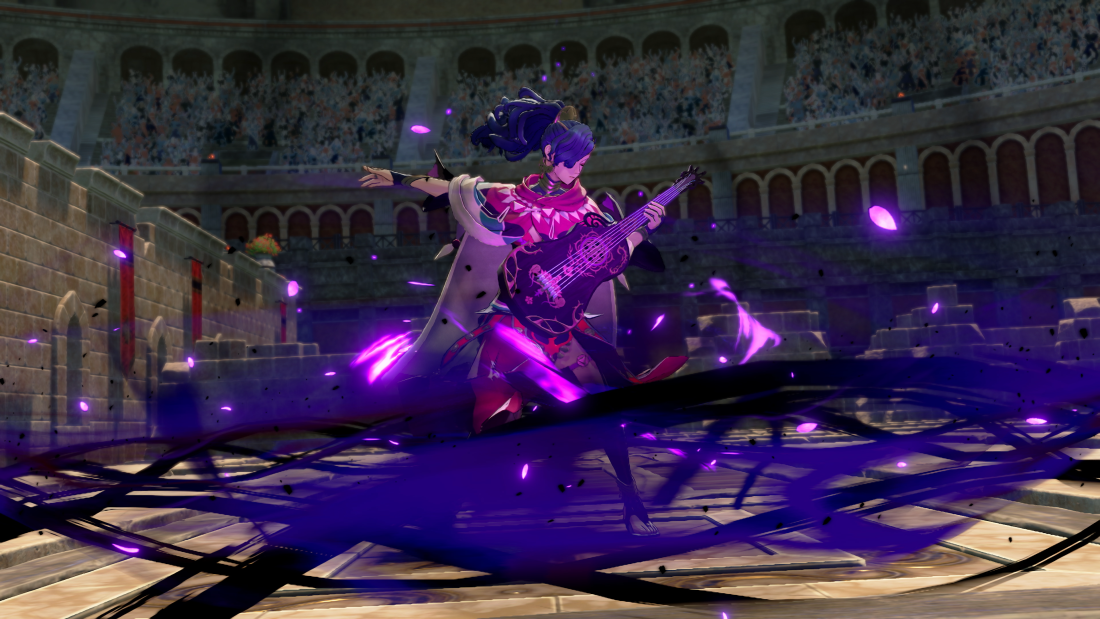
The player takes the role of a guardian entity capable of intervening across four parallel timelines. Each timeline has a distinct protagonist, including a gladiator named Leda who carries a cursed vihuela. The campaign exceeds 100 hours and uses a weekly calendar system for managing resources, training units, navigating regional maps, participating in amphitheater performances, and recruiting from a roster of roughly four dozen characters.
Konami has expanded its flagship survival horror property with Silent Hill: Townfall, co-developed by Scottish studio No Code (Observation, Stories Untold) and published in partnership with Annapurna Interactive. Created in 1999 by Konami’s internal Team Silent group, the franchise shifts to a first-person perspective for this spinoff.

Set in 1996 on the deserted Scottish island of St. Amelia, Townfall follows protagonist Simon Ordell. Evasion and survival rely heavily on period-accurate technology, including a portable CRT television (CRTV) used to monitor radio frequencies for enemy locations and directional clues. Stealth is also central, with environmental distraction tools such as glass bottles and radios, while manual saves require operating landline telephones and desktop floppy disk drives.
Blood of the Dawnwalker is the debut release from Rebel Wolves, a studio established in 2021 by veteran developers including former CD Projekt Red game director Konrad Tomaszkiewicz (The Witcher 3: Wild Hunt).

Designed specifically to mitigate open-world quest proliferation, the role-playing game uses a rigid 30-day temporal progression system. Time advances only when players commit to major story objectives. Players control Coen, who uses conventional weaponry and spellcasting during daytime hours before transforming into a vampire at night; nighttime traversal provides specialized mechanics such as vertical wall-climbing and short-range teleportation for infiltrating hostile locations.
Finnish studio Remedy Entertainment has released Control Resonant, a direct narrative sequel to its 2019 third-person action game Control. The new title takes place seven years after the original, following the failure of the Federal Bureau of Control’s (FBC) internal lockdown at its headquarters, the Oldest House.

With original protagonist Jesse Faden missing, players assume control of her brother, Dylan Faden, amid a devastated Manhattan environment. Combat moves away from the original game’s distance-focused ranged mechanics and toward heavy close-quarters melee engagements, using a shapeshifting weapon designated as the “Aberrant.”