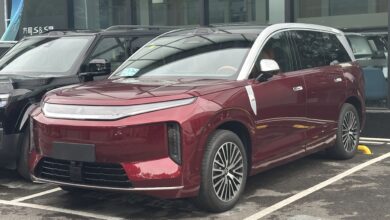
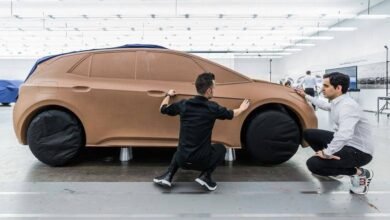
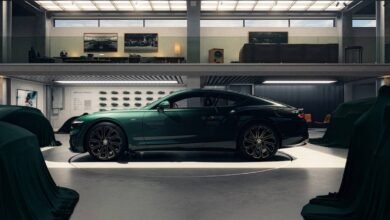
Stalybridge and Hyde MP Jonathan Reynolds argues that the United Kingdom should embrace low-cost, high-technology electric vehicles from China to benefit consumers, even as European Union officials signal stricter barriers to such imports. Speaking at the McLaren Technology Centre in Woking during a £500 million investment announcement by the supercar manufacturer, Reynolds emphasized the innovative capacity of the Chinese economic model. He suggested that bringing these advancements to the UK under local labor and regulatory standards is a necessary step for maintaining competitiveness.
This stance contrasts sharply with warnings issued by Nissan’s regional leadership regarding future market access. Max Messina, speaking after announcing a £170 million investment in Nissan Manufacturing UK (NMUK) in Sunderland to produce the new Kicks SUV, indicated that Britain may need to align its tariff policies with those of the European Union. The EU is preparing to enforce ‘Made in Europe’ rules requiring a significant percentage of vehicle components, particularly EV batteries, to be sourced locally within Europe to protect indigenous industry.


Messina told the Financial Times that the EU cannot allow corridors through the UK that would enable Chinese manufacturers to bypass European tariffs. “The whole UK has to adjust some of their tariff policy,” he stated, highlighting the geopolitical friction resulting from Brexit. This pressure complicates efforts by the UK government to attract inward investment while simultaneously protecting domestic manufacturing bases from being excluded from key export markets.
The tension is underscored by ongoing negotiations between Nissan and Chery Automobile, China’s largest global auto exporter, regarding potential use of spare capacity at NMUK. These discussions occur against a backdrop of robust sales growth for Chinese brands in both Europe and the UK, despite existing tariff surcharges. In the first half of the year, SAIC Motor (parent company of MG), BYD, and Chery registered 180,000, 174,000, and 155,000 units respectively across these regions. Notably, British buyers accounted for one-quarter of all MG registrations, one-fifth of BYD sales, and half of Chery-Omoda-Jaecoo’s total volume.
While the UK remains open to this influx, the United States presents a starkly different landscape. American consumers are largely priced out of the Chinese EV market due to aggressive trade protections. President Biden implemented a 100% tariff on Chinese electric vehicles in 2024, a figure subsequently raised to as high as 245% under the Trump administration. Proponents argue these measures safeguard domestic manufacturing jobs, whereas critics contend they stifle competition and deny US drivers access to lower-cost, technologically advanced alternatives.