
GAFI Head Highlights Local Investment’s Role in Boosting Egypt’s Food Industry Competitiveness
Hossam Heiba outlines strategies for attracting investment, emphasizing local expansion and government incentives to strengthen Egypt's food sector.

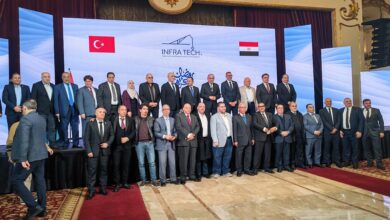
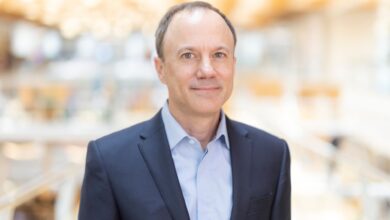
Hossam Heiba, CEO of the General Authority for Investment and Free Zones (GAFI), affirmed that creating an attractive investment climate is a fundamental pillar. This pillar supports and develops the food industries sector. It also enhances its local, regional, and international competitiveness. This approach aims to achieve sustainable development goals. Heiba made these statements during his participation in the second session of the Fourth Annual “Egypt Food… Competitive Industry – Sustainable Future” conference. The session was titled “Towards an Attractive Investment Environment for a Competitive Industry.” A group of government, investment, and industrial leaders attended the event.
Heiba explained that attracting foreign investment requires genuine expansion from local investors. Foreign investors will not come without an active local investor presence. The state has successfully built an integrated system of investment and non-cash incentives. These incentives support the competitiveness of both local and foreign investors. This support especially targets productive sectors, with food industries at the forefront. Infrastructure development, particularly the modern road network, has also facilitated the transport of raw materials and products between production areas and factories. This positively impacted supply chain efficiency and reduced transport costs. It allowed investors to achieve their production plans and increase exports more easily.
The Suez Canal Economic Zone and new ports offer a strong competitive advantage. This advantage supports export expansion. The logistical link between the Red and Mediterranean Seas also contributes to this. Egypt has resolved the electricity crisis. This crisis previously posed an investment burden. Power supplies are now stable and available without additional costs. This boosts Egypt’s attractiveness for both local and foreign investment.
Stable monetary and fiscal policies enhance investors’ ability to plan. This allows for medium-term business forecasting. Investor confidence in the Egyptian economy increases as a result. The 2017 Investment Law offers broad incentives. These include a 30% to 50% refund on the cost of any new project or existing expansion. A cash incentive also provides a 35% to 55% tax refund within 45 days. This supports foreign currency inflows and strengthens local industry. The law provides further incentives related to financing, documentation, technology, training, and environmental protection. These measures can reduce the effective tax rate from approximately 19.5% to about 16% in some activities. For more details on investment regulations, visit [GAFI’s official website](https://www.gafi.gov.eg/English/Pages/default.aspx).
Heiba noted that foreign companies have expanded faster than Egyptian companies. Strengthening local capital is necessary. Despite this, foreign direct investment indicators remain very positive. Inward investments are expected to double in 2025. Further increases are projected for 2026 and 2027. He urged Egyptian investors, both local and foreign partners, to accelerate expansion decisions and increase their investments. New market entrants reflect strong confidence in growth opportunities. Local expansion is essential to boost competitiveness.
Heiba emphasized the importance of cooperation between the government and investors. This cooperation aims to overcome obstacles and accelerate expansion decisions. This is especially relevant given the expanding local market and continuous growth in regional and global markets. A network of trade agreements covers nearly three-quarters of the world’s countries. Export support programs also exist. These provide real opportunities to boost growth and increase competitiveness. The next phase demands greater activity from local investors. This activity is needed to meet the anticipated large inflows of foreign investments.
At the conference’s conclusion, Hossam Heiba, CEO of the General Authority for Investment and Free Zones (GAFI), honored prominent figures. These individuals played an influential role in developing the food industries sector.