

Europe’s Automotive Reckoning: From China’s Golden Goose to Global Threat
The strategic pivot points shaping the global auto industry
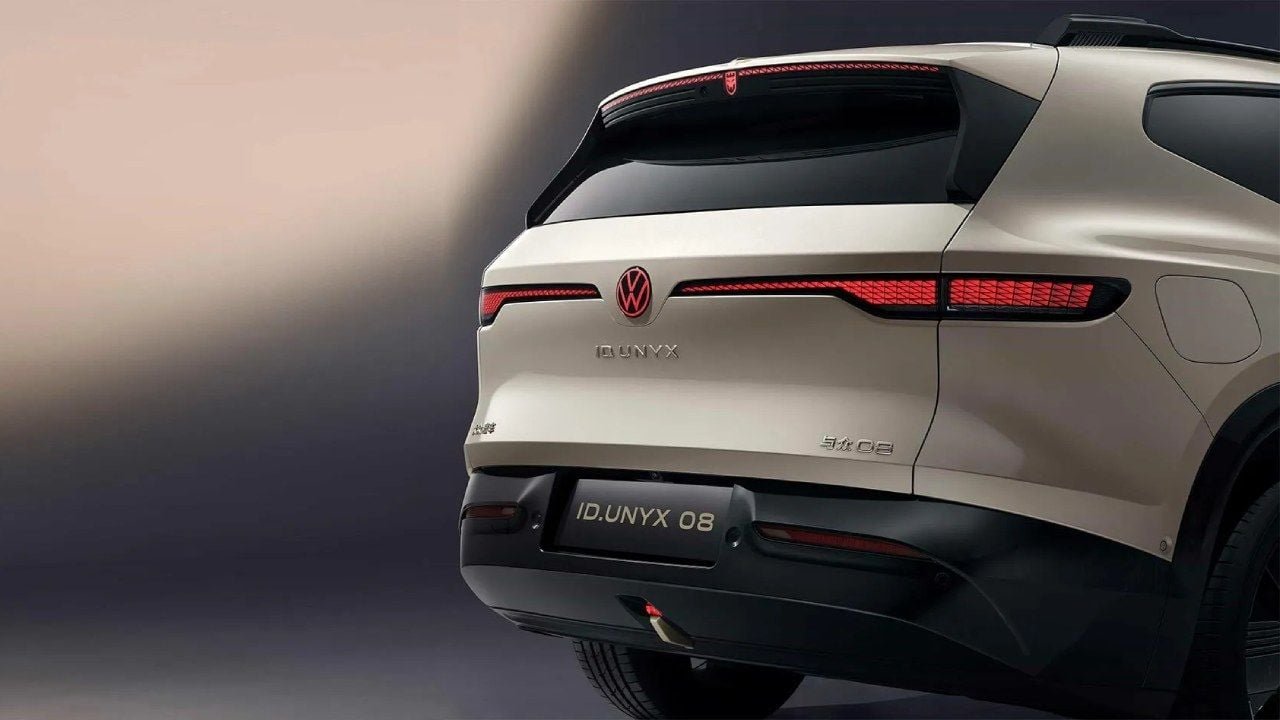
Decades ago, Europe saw China as an industrial promised land: a vast, nascent market hungry for cars, coupled with impossibly low production costs. That era is dead. Today, China is not a docile market. It is a fierce competitor, a state-backed behemoth dictating its own terms.
The impact on Europe is profound. Chinese automotive brands, despite their dozens, still collectively trail giants like Volkswagen or Renault in raw volume, even projected to late 2025. Yet, their relentless expansion destabilizes European factories, eroding demand, throttling production, and slashing profitability. This isn’t just market friction; it’s a systemic threat.
No single strategy offers salvation. Each European group grapples with a unique predicament, demanding tailored responses. One path insists on fighting in China itself: continued production for the domestic market, sustained investment, a grinding struggle for relevance. Exporting these China-made vehicles to Europe? Only viable under the European Union’s proposed minimum price agreements, a move currently under intense scrutiny amid anti-subsidy investigations.
This fierce competition unfolds in a market where Chinese consumers increasingly favor homegrown electric, E-REV, and PHEV models. Local manufacturers, often bolstered by state subsidies, can operate on razor-thin margins, sometimes just breaking even. This cutthroat dynamic applies across both mainstream and premium segments.
Volkswagen, a pioneer in China over 40 years ago, remains entrenched. Its core brand, alongside Audi and its youthful AUDI offshoot, continues the battle. Skoda, however, chose a different route. It exited China, turning its gaze toward India. India presents a compelling alternative: low production costs and a significantly more stable geopolitical landscape, critical for diversifying global supply chains.
Toyota, through its alliance with GAC, also maintains a robust presence. Its Chinese operations are accelerating autonomous technology development, pushing directly from Level 2 to Level 4 SAE autonomy. The cost of development, real-world application, and consumer willingness to pay are all factors driving this accelerated leap.
Ford enacted a strategic pivot. It produces vehicles like the Mondeo in China, selling some domestically. Crucially, it rebadges the Mondeo as the Taurus for export to Middle Eastern markets. This leverage of China’s cost advantage proved shrewd. The strategy now faces new geopolitical headwinds, with the Iran conflict disrupting established vehicle flows, including those from Japan.
Honda mirrors this adaptive thinking. Its new 0 α SUV will be manufactured in India, destined for local sales, Japan, and other international markets. The aim is competitive pricing derived from lower production expenses. This re-evaluation of manufacturing hubs reflects a broader industry trend where strategic location trumps singular cost-efficiency, especially as nations like Japan and European states increasingly subsidize domestic battery production.
The calculus is clear: the automotive world is redrawing its maps.


