

A nearly four-hour documentary examining Elon Musk’s ascent from Silicon Valley entrepreneur to a figure deeply embedded in U.S. government operations opens in Los Angeles and New York theaters this Friday, arriving as the subject’s influence over American infrastructure continues to expand.
Directed by Oscar-winning filmmaker Alex Gibney, “Musk” traces the billionaire’s trajectory through interviews with former employees, family members, business associates and journalists. Musk himself declined to participate. When producer Jessie Deeter attempted to contact him directly using his personal phone number and email, his only response was a public post on X calling Gibney a derogatory name.
Unable to secure an interview, Gibney’s team at Jigsaw Productions built a computer-generated avatar modeled after Musk to narrate segments using audio drawn from the subject’s past public appearances. The technique mirrors the director’s previous work blending archival material with investigative reporting, a method he employed in documentaries scrutinizing Scientology, Enron and Theranos founder Elizabeth Holmes.


The film’s release has triggered a direct confrontation between one of the world’s wealthiest individuals and a veteran documentarian. Musk has launched a sustained campaign against Gibney on X, where he commands hundreds of millions of followers, labeling the filmmaker a “horrible human” and reposting altered images mocking him. He has characterized the documentary as a “psy op.”
The legal stakes extend beyond social media insults. Musk’s attorney, Alex Spiro, has threatened litigation, specifically objecting to sequences the legal team claims falsely imply Musk leveraged Starlink — SpaceX’s satellite internet constellation — to influence the 2024 presidential election. Spiro also alleged that Gibney’s production team refused to accept information during their fact-checking process. Jigsaw Productions has countered that the film constitutes protected speech under the First Amendment, framing it as a factual examination of a powerful public figure.
Gibney indicated he would welcome the legal fight. “I don’t really hope for a lawsuit, but if he does, so be it,” he said, noting that the pre-trial discovery process could yield revealing information.
Production began four years ago as a standard biographical project. Gibney, who installed Tesla solar panels on his Brooklyn home and initially admired Musk’s clean-energy ambitions, planned a conventional two-hour feature. HBO acquired television and streaming rights early in the process. However, the timeline fractured after Trump survived an assassination attempt in the spring of 2024 and Musk formally endorsed him. HBO executives urged Gibney to abandon his festival-ready cut and continue filming. The raw footage eventually swelled to six hours before being edited down to its final runtime.
That extended scope allowed the film to capture Musk’s transition into formal government advisory roles. During the Trump administration, Musk spearheaded the Department of Government Efficiency, an initiative granting his teams access to vast repositories of federal data. Nobel Prize-winning computer scientist Geoffrey Hinton appears in the documentary warning that such datasets, if processed through advanced artificial intelligence systems, could be weaponized to interfere in future elections.
The intersection of Musk’s private ventures and public authority remains a focal point of scrutiny beyond the film. Last week, the Pentagon announced Musk would help lead a new initiative examining the future of warfare. Industry analysts have noted that such defense contracts frequently benefit xAI, Musk’s artificial intelligence company and the developer of the Grok chatbot, by providing government funding and testing environments for commercial AI models.
“Musk” also delves into the subject’s personal relationships to map his consolidation of power. Justine Musk, his first wife, whom he met as a student at Queen’s University in Canada, describes an almost preternatural confidence that drew people to his vision. Ashley St. Clair, a former conservative influencer who shares a child with Musk, offers a blunter assessment on camera: “Elon is a nuke.”
St. Clair provides private text messages from the run-up to the 2024 election in which Musk references an “anomaly in the matrix” and “10,000 lasers in space.” She interprets the latter as a reference to Starlink satellites. On election night, texts show Musk claiming unusually early certainty about Trump’s victory, telling her, “We have the best real-time data.” Gibney stops short of alleging vote manipulation, instead presenting the communications as part of a broader pattern of behavior he believes warrants public concern. He speculated that Musk might use similar leverage to cast doubt on unfavorable results during the 2026 midterm elections.
The documentary briefly addresses a widely debated moment from a 2025 inauguration event where Musk made an arm-extended gesture condemned by many observers as a Nazi salute. Rather than dissecting the incident forensically, Gibney frames it as emblematic of Musk’s broader communication strategy — oscillating between deliberate provocation and plausible deniability.
Unreported drug use also surfaces in the film, though Gibney acknowledged he limited his exploration to what could be firmly established on the record. A 2024 Wall Street Journal investigation reported Musk had used LSD, cocaine, ecstasy and psychedelic mushrooms. Musk denied those allegations, citing years of random drug tests showing no trace quantities of illicit substances or alcohol, while acknowledging he takes prescribed ketamine for depression.
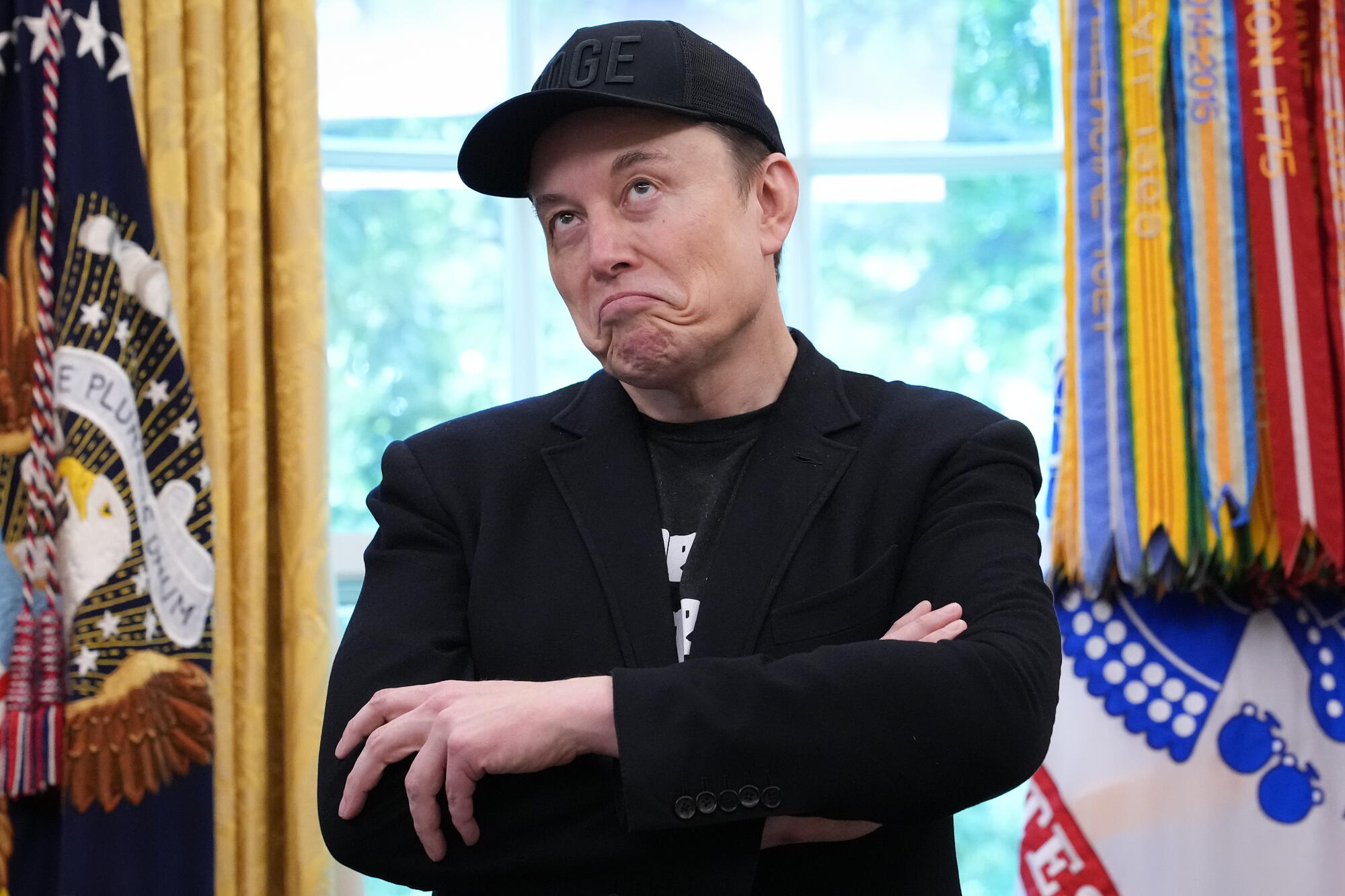
Musk, now 55, continues to accumulate institutional influence at a pace that outstrips traditional media coverage cycles. Gibney confirmed he plans to delete his X account once the theatrical press tour concludes, severing his presence on the platform Musk acquired and rebranded in 2022. The Pentagon’s warfare initiative remains in its preliminary planning stages, with no public timeline yet established for its first operational deliverables.



