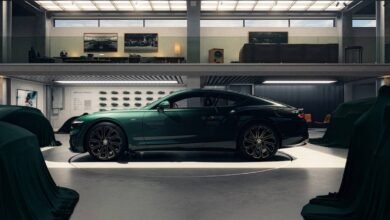
McLaren is engineering a high-performance SUV positioned above £200,000, targeting the ultra-luxury segment currently occupied by the Ferrari Purosangue and Aston Martin DBX. The vehicle will use a detuned variant of the 1,234-horsepower hybrid drivetrain from the W1 hypercar, pairing a 4.0-liter twin-turbocharged V8 with a high-output electric motor.
Unlike competitors exploring fully electric platforms for their utility vehicles, McLaren ruled out battery-only propulsion after its global dealer network surveyed existing customers and found virtually no demand for an all-electric model. That feedback aligns directly with the strategy of McLaren Group Holdings CEO Nick Collins, who previously served as Jaguar Land Rover’s head of research and development before leading CYVN Holdings’ British automotive startup Forseven.
“I believe every brand must have a multi-propulsion future,” Collins said at the July 2025 Goodwood Festival of Speed. “The pace of regulatory change and consumer adoption is different in different parts of the world. Are we going to make McLaren an all-electric brand? Absolutely not.”


That stance reflects a broader reality in the ultra-luxury performance sector. While mass-market automakers face tightening zero-emission mandates across Europe and North America, low-volume manufacturers often operate under different regulatory thresholds or rely on hybridization to meet fleet-average emissions targets without sacrificing the combustion characteristics their buyers expect. Ferrari took a similar approach with the Purosangue, launching it exclusively with a naturally aspirated V12 rather than a plug-in hybrid or electric system.

To support the new model, McLaren has been negotiating with global automotive manufacturers to license or co-develop a suitable vehicle architecture. Building a bespoke platform for a single SUV nameplate carries prohibitive costs for a company of McLaren’s production volume, making shared underpinnings essential. This contrasts with Aston Martin, which adapted its existing sports car architecture for the DBX, and Lamborghini, which utilized the Volkswagen Group’s MLB Evo platform for the Urus.
CYVN Holdings’ acquisition of McLaren Automotive — which included a minority stake in the brand’s Formula 1 team — provides significant backing for the project. Before taking the top role at McLaren, Collins established Forseven under CYVN’s umbrella. The Abu Dhabi-based investment firm also acquired Gordon Murray Automotive’s technology division and holds a 20 percent stake in Chinese EV manufacturer Nio.
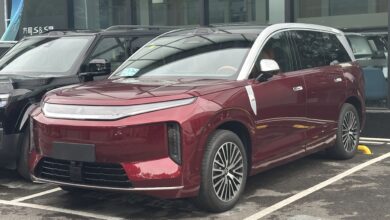
“We have access to certain Nio technologies with our licence. And that’s an amazing opportunity, because, frankly, some of the best automotive technology in the world is in China,” Collins said. Nio’s expertise in advanced electrical architectures, battery management systems, and software-defined vehicle infrastructure could supply critical components for McLaren’s hybrid integration, even as the SUV retains its internal combustion core.
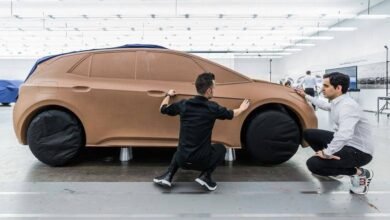
Design leadership for the SUV shifted following the initial concept phase. Alister Whelan, McLaren’s former chief creative officer who spent over two decades at Jaguar collaborating with Ian Callum on models including the I-Pace, F-Type, and 2009 XJ, completed the early styling work. Kemal Curic, formerly of Ford, has since taken over design responsibilities to guide the vehicle through production development.
McLaren continues to evaluate platform partnerships while advancing the W1-derived powertrain integration for the SUV program.