Supreme Court Weighs State Climate Suits Against Oil Giants
Ruling will determine if Clean Air Act blocks state consumer fraud claims against fossil fuel producers
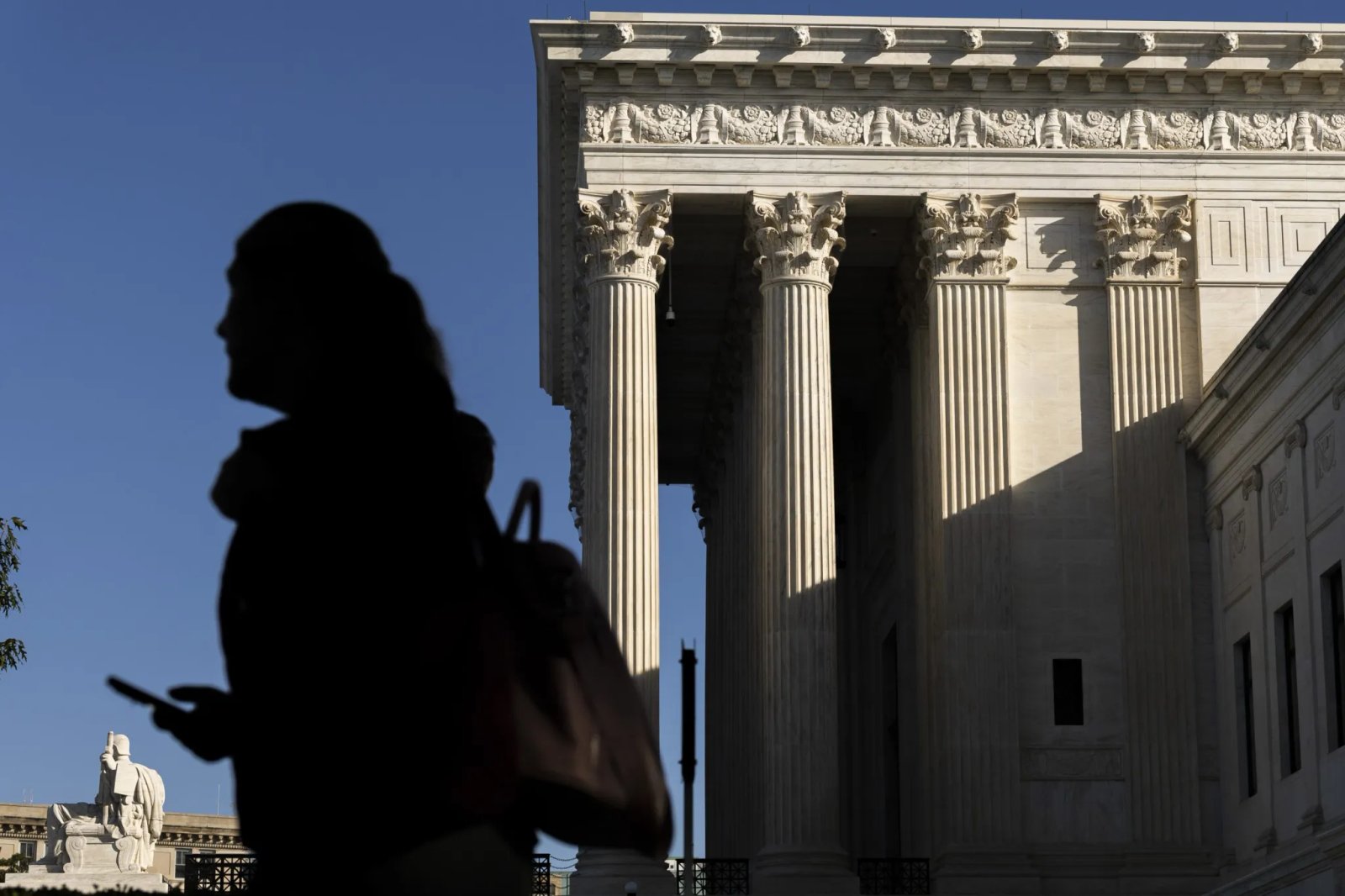
The U.S. Supreme Court opened its new term by hearing arguments in a pivotal case that will decide whether state and local governments can use their own laws to sue fossil fuel companies for climate-related damages. At issue in Suncor Energy (U.S.A.), Inc. v. County Commissioners of Boulder County is whether the federal Clean Air Act preempts state-level consumer protection and nuisance claims against oil producers.
Boulder County, Colorado, along with other municipalities, alleges that ExxonMobil and Suncor Energy engaged in deceptive marketing campaigns that obscured the scientific consensus on global warming for decades. The plaintiffs argue these misrepresentations violated state statutes designed to protect consumers from fraud. The energy defendants contend that regulating greenhouse gas emissions is exclusively a federal responsibility and that allowing disparate state lawsuits would create an unworkable patchwork of liability standards for interstate commerce.
Justice Samuel Alito recused himself from the proceedings following disclosures regarding his financial holdings. Records indicate he realized up to $2.9 million from oil and gas investments between 2005 and 2024 and continues to hold stock in the sector. His absence leaves eight justices to resolve a legal question that has generated conflicting rulings across federal appellate circuits.


A ruling favoring the municipalities could unleash hundreds of similar suits currently paused in lower courts. Legal analysts estimate potential liabilities could reach tens of billions of dollars if juries are permitted to assess damages based on state tort law. Conversely, a decision affirming federal preemption would likely extinguish most existing climate litigation against major emitters and shift the burden of adaptation costs entirely onto taxpayers.
This legal battle intersects with growing infrastructure tensions in the technology sector. Hyperscale data center operators face increasing community opposition tied directly to environmental concerns. Critics cite rising local electricity rates, water consumption for cooling systems, and noise pollution as primary grievances. These conflicts have delayed or canceled projects nationwide, creating material risks for companies planning massive capital expenditures on AI infrastructure.
Industry leaders acknowledge the operational reality of climate impacts regardless of political rhetoric. ExxonMobil CEO Darren Woods previously stated that society waited too long to expand solution sets for emission reductions. This pragmatic recognition contrasts with federal policy rollbacks that have created uncertainty for corporate sustainability planning.
Some executives are responding through civic engagement rather than traditional advocacy. Patagonia CEO Ryan Gellert launched the 11.2 Million Vote Project, offering $100 credits to voters who register and refer others to participate in elections. The initiative reached its funding cap within four days, signaling sustained business leader interest in democratic participation despite a cautious public posture on environmental policy.
Public opinion continues to shape the backdrop for both litigation and corporate strategy. Recent polling indicates approximately two-thirds of Americans remain worried about global warming. This persistent concern influences consumer behavior, investor expectations, and regulatory enforcement priorities at the state level.
The Court has not indicated when it will issue a decision. Lower courts have stayed related proceedings pending the outcome, meaning the immediate legal landscape for climate liability remains frozen until the justices rule.