Nintendo 3DS in 2026: Value, Modding, and Switch 2 Alternatives
Rising hardware costs and community server restorations redefine the legacy handheld's role amid modern portable gaming inflation
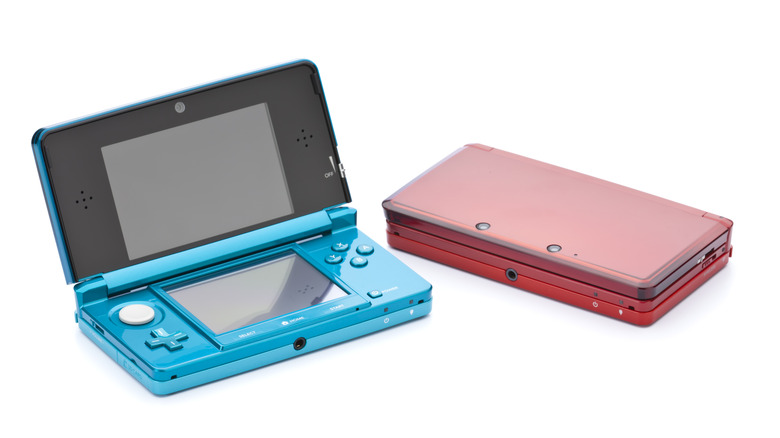
The Nintendo 3DS has transformed from a discontinued budget handheld into a premium collector’s item in 2026, driven by nostalgia and the rising cost of modern portable gaming. With the Nintendo Switch 2 launching at $500 following recent price hikes, retro enthusiasts are re-evaluating the 3DS as a dedicated alternative. However, prospective buyers face a complex market where refurbished units now command prices exceeding $250, often surpassing the cost of a used original Switch.
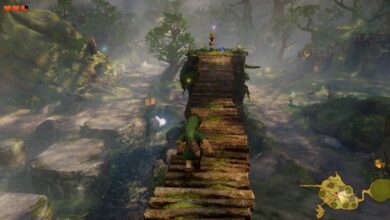
This price inversion fundamentally alters the value proposition. A refurbished first-generation Switch currently retails for approximately $180, offering access to modern libraries and active online services that the 3DS officially lost when its eShop closed in 2023 and servers shut down in 2024. For gamers primarily seeking specific titles like *The Legend of Zelda: Ocarina of Time 3D* or *Metroid: Samus Returns*, checking for Switch ports or remakes is financially prudent before committing to legacy hardware. Budget-conscious players might also consider dedicated emulation devices from manufacturers like Anbernic, which offer DS-era compatibility for under $100, though these lack native 3DS support.
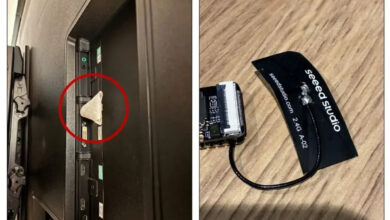
Despite official abandonment, the 3DS ecosystem remains functional through community preservation efforts. The Pretendo Network project has emerged as a vital third-party replacement for Nintendo’s defunct infrastructure, restoring online multiplayer and social features for modded consoles. Because the 3DS can be modified using only an SD card via established exploits, it has become one of the most accessible platforms for homebrew software and custom firmware. This modding capability effectively circumvents the digital storefront closure, allowing users to install software directly and access preserved game libraries without relying on physical media.

Physical game cartridges present their own economic hurdles. While common first-party titles remain affordable, niche RPGs and cult classics such as *Yokai Watch* and *Dragon Quest VIII: Journey of the Cursed King* have appreciated significantly since discontinuation. Buyers must factor in these long-term software costs when budgeting for the platform, as completing a collection physically can easily exceed the initial hardware investment.
The enduring appeal of the 3DS lies in its industrial design rather than raw performance. Its clamshell form factor provides screen protection and pocketability that modern slab-style handhelds like the Steam Deck or Xbox ROG Ally cannot match. This durability makes it uniquely suited for daily commuting and travel, where larger devices require dedicated carrying cases. Furthermore, the system offers a distraction-free environment devoid of the notifications, ads, and multimedia overlays that characterize contemporary hybrid consoles.
Local wireless functionality via StreetPass continues to operate independently of central servers, though its utility depends entirely on local user density in 2026. Hardware maintenance remains straightforward, with replacement parts for circle pads, screens, and shells widely available for DIY repair. As of late 2026, the 3DS serves best not as a primary gaming device, but as a specialized, highly portable companion for players willing to navigate the secondhand market and embrace community-driven software preservation.