Nvidia Raises RTX PRO 6000 Blackwell Workstation Price to $16,000
The workstation card has 96GB of ECC memory and costs roughly eight times the RTX 5090’s launch price.
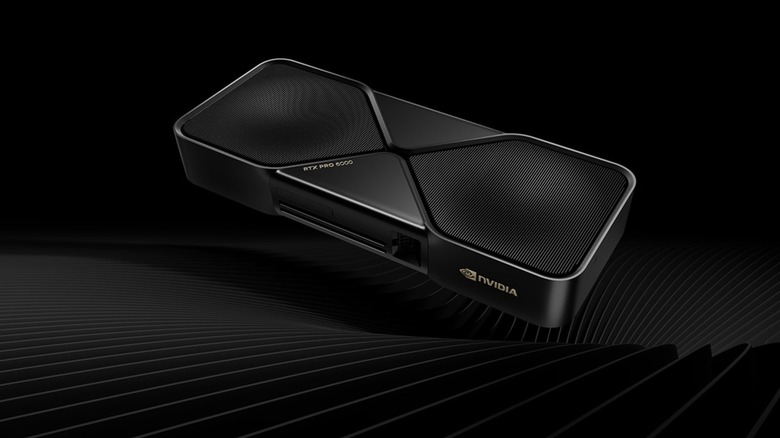
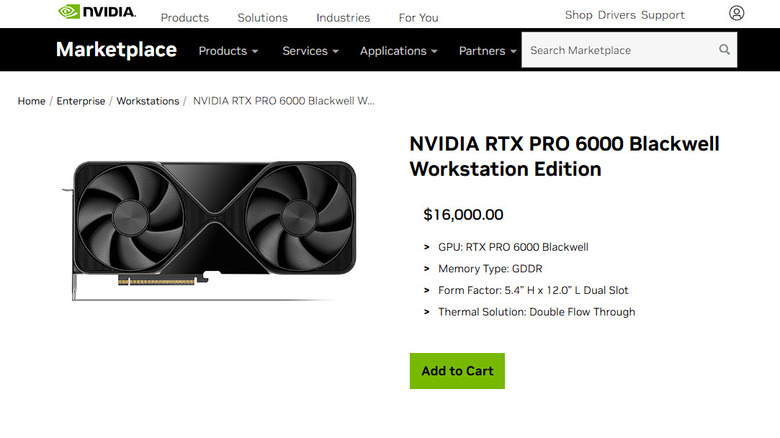
SANTA CLARA, Calif. — Nvidia has raised the retail price of its flagship desktop workstation graphics processing unit, the RTX PRO 6000 Blackwell Workstation Edition, to $16,000. The card launched at $8,565 and later rose to $13,250 before the latest increase, which puts its price at almost twice the original level.
Nvidia has not publicly disclosed the specific reasons for the increases. They come amid rising semiconductor production expenses, including the cost of cutting-edge GDDR7 memory and TSMC’s advanced silicon fabrication processes, as well as intense demand for high-capacity hardware used to run local artificial intelligence workloads, render complex 3D environments and process massive datasets.

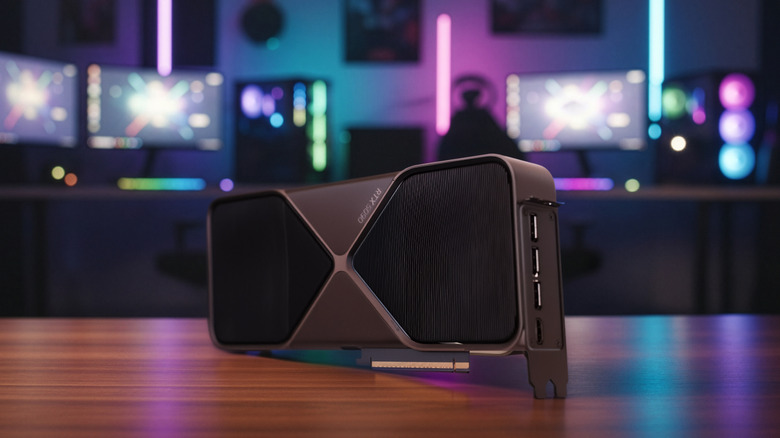
The RTX PRO 6000 sits at the top end of Nvidia’s professional desktop hardware, above consumer models such as the GeForce RTX 5090. At $16,000, it costs roughly eight times as much as the RTX 5090’s $1,999 launch price and is aimed at enterprise clients, research institutions and creative studios rather than the consumer gaming market.
Its principal technical distinction is 96GB of GDDR7 Error-Correcting Code (ECC) memory, three times the RTX 5090’s 32GB of non-ECC GDDR7 memory. ECC detects and corrects single-bit memory errors in real time, helping prevent crashes and data corruption during scientific computing, enterprise operations, rendering pipelines and AI training cycles that can run uninterrupted for days or weeks.
The workstation card uses Nvidia’s Blackwell architecture, which succeeded Ada Lovelace, and has 24,064 CUDA cores. Its maximum board power draw is 600 watts, slightly above the consumer-focused RTX 5090’s 575 watts. The 96GB frame buffer also lets developers load entire Large Language Models (LLMs) into local VRAM or manipulate massive CAD models without bottlenecks caused by system memory paging.
That memory capacity is not generally put to use by modern games, which rarely fill even half of the RTX 5090’s 32GB. The RTX PRO 6000 can nevertheless run consumer applications and video games. In independent testing, hardware analyst and tech YouTuber der8auer found that it outperformed the RTX 5090 in gaming benchmarks even while using Nvidia’s enterprise-focused workstation drivers.
Those benchmarks showed a 14 percent advantage in Cyberpunk 2077, an 11 percent improvement in both Star Wars Outlaws and Remnant 2, and a 3 percent advantage in Assassin’s Creed Mirage. The single- and double-digit gains establish the RTX PRO 6000 as a capable gaming processor, but do not economically justify spending $16,000 on it for gaming.
Part of the professional card’s premium also covers software and support. Consumer GeForce cards use Game Ready drivers optimized for real-time frame rates and individual game releases. RTX PRO cards instead use Nvidia enterprise workstation drivers certified by Independent Software Vendors (ISVs) for stability, precision and optimized performance in industry-standard software from companies including Autodesk, Adobe, Dassault Systèmes and Ansys.
Nvidia previously sold this class of hardware under the Quadro name for more than two decades before moving to RTX PRO branding. The change aligned its workstation lineup with the broader RTX family while maintaining a distinction between consumer-grade and enterprise-grade hardware. AMD’s Radeon PRO lineup is Nvidia’s main competitor in professional workstations, though the Blackwell card’s 96GB memory pool puts it at the extreme performance edge of the current desktop workstation market.
Nvidia does not limit RTX PRO 6000 purchases to corporate buyers. Individual enthusiasts can buy the card through Nvidia’s online Marketplace or from authorized workstation OEMs and distributors.