Trump Won 48% of the Latino Vote in 2024. Both Parties Are Now Courting Latino Men
A UCLA study finds a gender gap, but also broad concern among Latino men about democratic institutions and mass deportations.
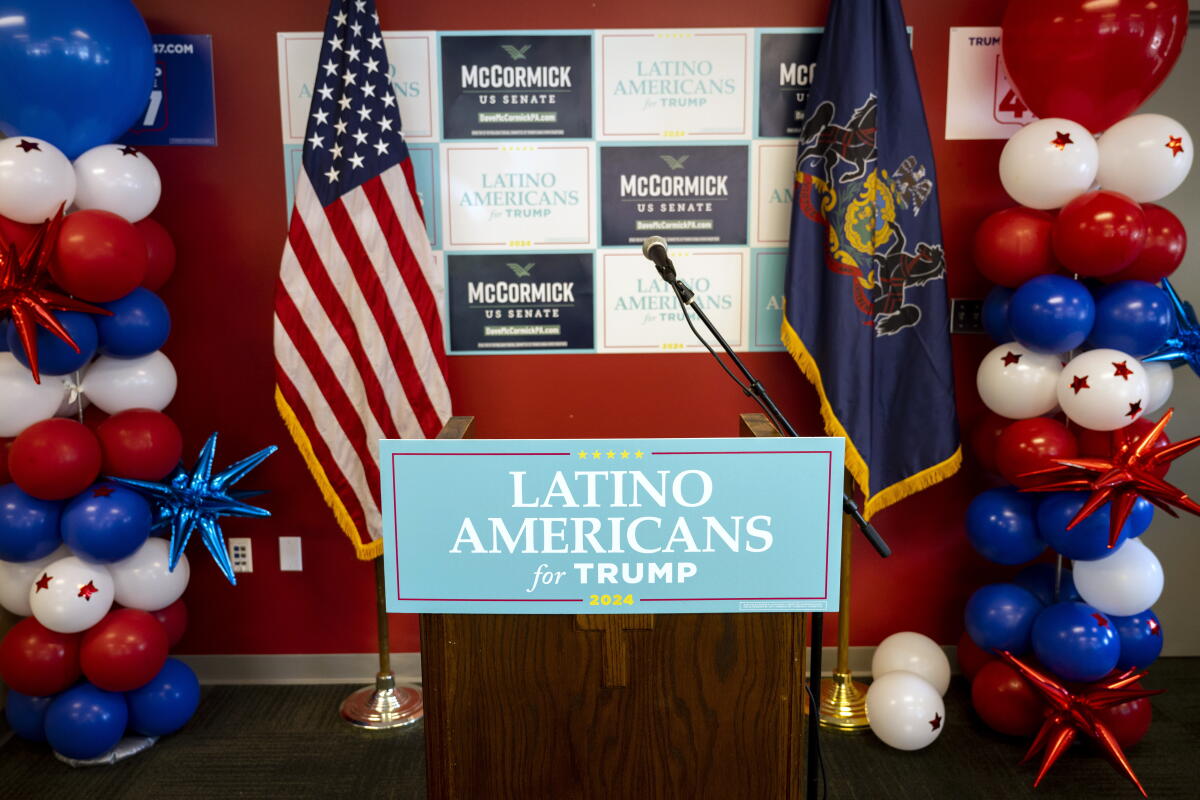
WASHINGTON — Donald Trump won an unprecedented 48% of the Latino vote in the 2024 presidential election, accelerating a shift that has turned a historically reliable Democratic bloc into one of the country’s most consequential swing constituencies. Both major parties are recalibrating their strategies as Latino men become a pivotal vote in upcoming congressional races.
The shift has exposed a gender gap, according to a study by the UCLA Latino Policy & Politics Institute. Latino men and Latinas reported different priorities on democratic norms, environmental policies and immigration enforcement. Progressive organizers have expressed concern about the rightward movement of Latino men, but researchers caution against treating them as a political monolith: approximately two-thirds of the men surveyed still called protecting democratic institutions and opposing indiscriminate mass deportations “very important” or “somewhat important.”


Trump gained ground in heavily Latino areas in 2024, including South Texas, where majority-Latino Starr County voted Republican for the first time in generations. He also made significant gains in major metropolitan areas in Florida, California and Pennsylvania. Competitive congressional races in Texas, Florida, California and Arizona are now expected to turn on whether Republicans retain those gains or Democrats win back working-class voters with a revised economic message.
That contest comes as stricter border controls and increased enforcement create tensions within the Republican coalition. Some moderate and Hispanic Republican lawmakers have urged caution over the administration’s plans.
Political analysts attribute the movement among Latino men to economic anxiety and a growing cultural disconnect with the national Democratic platform. Many working-class Latino men work in construction, logistics, manufacturing and agriculture — sectors particularly sensitive to post-pandemic inflation, high interest rates and rising diesel and gasoline prices. For many, economic self-reliance and entrepreneurial opportunities matter more than the progressive initiatives often promoted by national Democrats.
Analysts say Democratic campaigns’ emphasis on the Green New Deal, environmental regulations and diversity, equity, and inclusion (DEI) programs failed to address working-class households’ immediate pocketbook concerns. Researchers describe the outlook of some of these voters as pragmatic individualism or self-reliance, with skepticism of government intervention, respect for entrepreneurial success and a “bootstraps” approach to economic mobility. Those features overlap with traditional conservative values and helped make Trump’s business-centric, anti-establishment message effective among Latino men who felt alienated by progressive rhetoric.
Both parties are investing heavily in targeted outreach. Democratic strategists are recasting their economic platform around job creation, lower healthcare costs and workers’ rights while seeking to highlight the potential harm Republican economic and immigration policies could cause working-class households. Republicans are emphasizing economic freedom, public safety and traditional social values.
Representative Maria Elvira Salazar (R-FL), an advocate of balanced immigration reform through measures including the bipartisan Dignity Act, recently warned against aggressive or overly broad enforcement. In a televised address, she said voters who helped deliver Republican majorities could feel betrayed if those policies harmed their families and local businesses.